
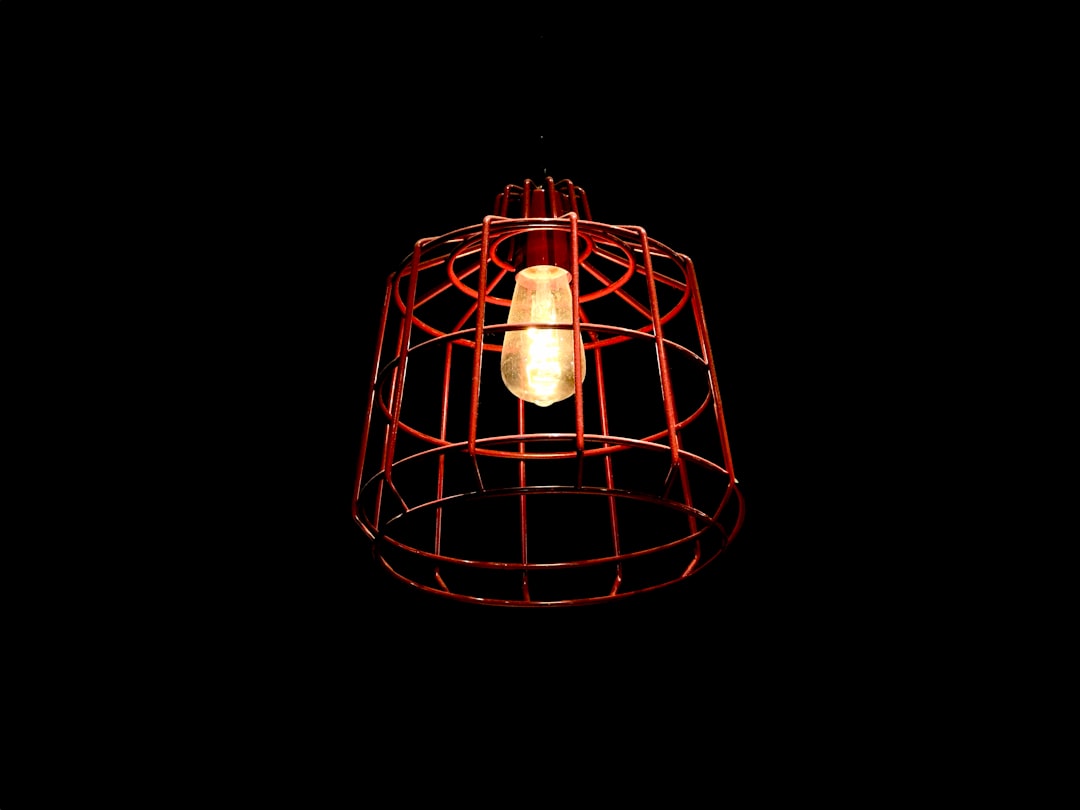
Upgrade Your Kitchen with Industrial Metal Pendant Lights
Thinking about sprucing up your kitchen and wondering if industrial metal pendant lights are the right move? The short answer is a resounding yes! They’re not just a trendy choice; they bring a practical, stylish, and durable upgrade that can genuinely transform your cooking space. Whether your kitchen is small or sprawling, modern or leaning towards farmhouse, these lights offer a unique blend of form and function that’s hard to beat.
Why Industrial Metal Pendants Shine in the Kitchen
Let’s get down to brass tacks. Why are these Shpoo lights such a good fit for one of the most active rooms in your house? It boils down to a few key advantages that speak directly to practicality and aesthetic appeal.
Durability That Lasts
Kitchens are often bustling hubs where things can get a little… lively. Spills happen, ingredients fly, and sometimes, you might even bump into things unintentionally. That’s where industrial metal pendants really earn their keep.
Built to Withstand the Kitchen Environment
Unlike delicate glass or fragile fixtures, metal is tough. It can handle a bit of wear and tear, making it a wise choice for a high-traffic area like your kitchen. You won’t have to constantly worry about accidental knocks or the general rigors of daily use.
Materials Matter for Longevity
Think about the materials used. Steel, aluminum, and even copper are inherently robust. They don’t crack easily and can resist dents better than many other options. This means your investment in lighting will look good and function well for years to come, without needing constant replacements or repairs.
A Distinct Aesthetic That Complements
Beyond just being tough, these lights bring a distinctive look to your kitchen. That industrial vibe isn’t just about raw materials; it’s about character and a certain kind of honest design.
The “Industrial Chic” Factor
The appeal of industrial design—often characterized by exposed elements and raw materials—has found a comfortable home in modern kitchens. Metal pendants embody this perfectly. They introduce a sophisticated yet down-to-earth feel, creating a focal point without being overly fussy.
Versatility in Style
Don’t pigeonhole industrial lights as purely modern or utilitarian. They can surprisingly blend with a range of kitchen styles. A brushed nickel pendant over a butcher block island can enhance a farmhouse feel, while a matte black fixture with a clean silhouette can elevate a minimalist space. They offer a grounding element that can balance out softer or more traditional kitchen designs.
Choosing the Right Metal Pendant: Key Considerations
So, you’re sold on the idea, but where do you start? Picking the perfect metal pendant involves thinking about a few practical aspects to ensure it fits your kitchen’s needs and your personal taste.
Material and Finish: More Than Just Looks
The metal and its finish are crucial. They influence not only the look but also how the light behaves and how easy the fixture is to maintain.
Common Metals and Their Charms
- Steel (Stainless, Brushed, Chrome): Stainless steel offers a clean, contemporary look and excellent resistance to rust and corrosion. Brushed steel has a softer, matte finish that hides fingerprints better than polished chrome. Chrome is reflective and bright, adding a touch of shine.
- Aluminum: A lighter option, aluminum can be found in various finishes, often powder-coated for durability and color. It can give a more industrial, factory-like feel.
- Copper and Brass: These metals bring warmth and a touch of vintage or Art Deco flair. Unlacquered copper will develop a beautiful patina over time, offering a unique aged look. Brass, whether polished or brushed, adds a sense of luxury.
The Impact of Finishes on Style
- Matte Black: Sleek, modern, and sophisticated. It’s incredibly popular for its ability to recede visually while still making a statement.
- Brushed Nickel/Silver: Versatile and timeless. This finish works with almost any color palette and complements a wide range of kitchen styles.
- Bronze and Pewter: Offer a darker, more traditional or rustic feel. They can add depth and character to a kitchen.
- Polished Chrome/Brass: For a brighter, more reflective look. These can add a touch of glamour or a more classic, diner-style aesthetic.
Size and Scale: Getting It Right
This is where practical application really comes into play. The size of your pendant lights needs to be in harmony with your kitchen’s dimensions and the area they’re illuminating.
Over Islands: The Classic Placement
Kitchen islands are prime real estate for pendant lights. Typically, you’ll want to hang two or three pendants in a row, spaced evenly. The scale should be proportionate to the island’s length and width. A common guideline is to have at least 30 inches between the bottom of the pendant and the countertop.
Calculating the Right Distance
- Ceiling Height: Higher ceilings can accommodate larger or longer-hanging pendants. Lower ceilings need smaller fixtures or shorter drop lengths.
- Island Size: A very long island can support more pendants or larger individual fixtures. A smaller island might look best with one or two smaller pendants.
Over Sinks and Other Areas
Pendants can also be used to highlight specific task areas like a kitchen sink or a breakfast nook. Here, a single, well-placed pendant can provide focused light and add decorative interest.
The Rule of Thumb for Task Lighting
For task lighting over a sink, a pendant that’s about one-third the width of the sink is often a good starting point. Ensure the light’s shade directs illumination downwards onto the workspace.
Pendant Style: Beyond the Basic Dome
Industrial metal pendants come in a surprising variety of shapes and designs, each offering a slightly different flavor for your kitchen.
Classic Dome Shapes
These are the archetypal industrial pendants, often featuring a wide, flared shade. They provide excellent downward light, making them ideal for task lighting over countertops and islands.
Variations on a Classic
You’ll find these in different depths, rim styles (straight, slightly curved), and with or without accent details like contrasting rims or decorative rivets.
Bell and Cone Styles
Similar to domes but often with a narrower opening, bell and cone pendants can offer a more focused beam of light. They can lend a slightly more refined or retro feel depending on the material and finish.
Adding a Touch of Sophistication
These styles are excellent for creating a more intimate atmosphere or for kitchens where a subtle touch of vintage charm is desired.
Cage and Wire Designs
These are perhaps the most overtly industrial. Featuring exposed bulbs often encased in a metal cage or frame, they showcase the light source itself.
Showcasing the Filament
If you’re opting for filament-style bulbs (LED equivalents are readily available), cage pendants are a fantastic way to highlight their vintage aesthetic and warm glow.
Installation and Placement: Lighting Up Your Space Effectively
Once you’ve chosen your perfect pendants, correctly installing and placing them is key to maximizing their impact and functionality.
Pendant Height: The Critical Dimension
Getting the height right is paramount for both aesthetics and usability. Too high, and they might not provide enough light; too low, and they become a head-bumping hazard.
General Guidelines for Hanging
- Over Kitchen Islands/Peninsulas: Aim for a clearance of 30 to 36 inches between the bottom of the pendant and the countertop. This allows for ample headroom while ensuring the light is functional.
- Over Dining Tables (within the kitchen): If you have a dining area within your kitchen, you might hang pendants about 30 to 36 inches above the table surface.
- Ceiling Clearance: Ensure there’s enough space between the ceiling and the top of the pendant for ventilation and to avoid it looking too cramped.
Adjusting for Different Ceiling Heights
- Vaulted or High Ceilings: You might need longer suspension chains or rods to bring the lights down to an effective height.
- Lower Ceilings: Opt for shorter pendants or ensure the mounting hardware allows for a close-to-ceiling installation.
Wiring and Electrical Considerations: Safety First
Installing pendant lights involves working with electricity, so safety is non-negotiable.
DIY vs. Professional Installation
- DIY: If you have electrical experience and are comfortable with wiring, you might tackle this yourself. Ensure you turn off the power at the breaker box and follow all local building codes.
- Professional Electrician: For peace of mind and to ensure a safe and compliant installation, hiring a qualified electrician is often the best course of action. They can also advise on the best placement and wiring solutions.
Essential Electrical Safety Tips
- Always turn off power: Double-check that the correct circuit breaker is flipped off before starting any work.
- Use appropriate connectors: Ensure all wire connections are secure and insulated.
- Follow manufacturer instructions: Each pendant light will come with specific installation guidelines.
- Check local codes: Building codes vary, so it’s important to be aware of and adhere to them.
Lighting Zones: Creating Ambiance and Functionality
Pendant lights are excellent for defining zones within your kitchen, from task lighting to ambient illumination.
Task Lighting Powerhouses
As mentioned, pendants are superb for task lighting over workstations like islands, sinks, and prep areas. Their focused light helps with chopping, cooking, and cleaning.
The Importance of Directional Light
Look for pendants with shades that direct light downwards, ensuring you have sufficient illumination exactly where you need it.
Ambient and Accent Lighting
While primarily functional, pendants also contribute to the overall ambiance. The design of the fixture itself, the material, and the type of bulb used all play a role in the mood it creates.
Using Bulbs Wisely
Consider dimmer switches to control the light intensity. Warm white LED bulbs can create a cozy atmosphere, while cooler white bulbs can feel more modern and energetic.
Integrating Industrial Pendants into Your Existing Kitchen Design
Thinking about how these lights will blend with what you already have is key. They shouldn’t feel like an alien addition.
Complementing Your Cabinetry and Countertops
The beauty of industrial metal pendants is their surprising versatility. They can bridge the gap between different materials.
Pairing with Wood Tones
Warm wood cabinets and countertops pair beautifully with matte black, bronze, or brushed nickel pendants. The metal provides a grounding contrast to the organic warmth of the wood.
The Rustic Charm Factor
For a more rustic or farmhouse look, consider copper or brass pendants. Their richness can complement a variety of wood finishes.
Working with Modern Materials
Sleek quartz or granite countertops and minimalist cabinetry can be enhanced by brushed metals like stainless steel or polished chrome. A matte black pendant can add a bold, modern statement.
Adding a Touch of Industrial Grit
Don’t be afraid to pair industrial pendants with materials like concrete or subway tile. They are natural partners in creating that sought-after industrial aesthetic.
Color Palette Harmony: Making It Work Together
The color of your pendants should play nicely with the dominant colors in your kitchen for a cohesive look.
Neutrals as a Safe Bet
Matte black, brushed nickel, and bronze are incredibly versatile and tend to blend seamlessly with most kitchen color schemes, from white and gray to deeper blues and greens.
Strategic Color Accents
If your kitchen has pops of color, consider a pendant that either subtly picks up on one of those accent colors or uses a neutral shade to provide a calm counterpoint.
Balancing the Industrial with Other Styles
The “industrial” label doesn’t mean your kitchen has to look like a factory floor. These pendants can be wonderfully integrated into various design narratives.
Industrial Farmhouse Fusion
Combine shaker-style cabinets, butcher block countertops, and a farmhouse sink with industrial metal pendants in brushed nickel or a warm bronze. This creates a comfortable, lived-in feel with a touch of modern edge.
The Best of Both Worlds
This fusion is popular because it’s inviting and practical, blending traditional comforts with contemporary sensibilities through lighting and accent pieces.
Modern Minimalist with Industrial Touches
Pair clean-lined cabinetry and a neutral palette with minimalist industrial pendants in matte black or brushed stainless steel. The pendants add a graphic element without overwhelming the space.
Subtle Statement Makers
For a minimalist kitchen, the pendant becomes a focal point, adding visual interest and a hint of edginess without disrupting the overall clean aesthetic.
Bulbs and Lighting Quality: The Final Touch
It’s not just the fixture; the type of bulb you choose significantly impacts the overall lighting quality and atmosphere in your kitchen.
LED Technology: Efficiency and Versatility
LED bulbs are the go-to choice for modern lighting, offering incredible efficiency and a wide range of options.
Energy Savings That Count
LEDs consume far less energy than traditional incandescent bulbs, leading to lower electricity bills over time. This is a significant practical advantage for a room that’s often lit for extended periods.
Long Lifespan for Less Hassle
LEDs also last much longer, meaning fewer bulb changes and less maintenance. In a kitchen, where access might be tricky, this is a real bonus.
Color Temperature: Setting the Mood
The “color” of the light emitted by a bulb, measured in Kelvin (K), can dramatically alter the feel of your kitchen.
Warm White (2700K-3000K)
This is similar to the warm glow of traditional incandescent bulbs. It’s inviting, cozy, and perfect for creating a relaxed ambiance, especially in dining nooks or areas where you want to unwind.
Ideal for Ambiance
For a kitchen that doubles as a gathering space, warm white can make it feel more welcoming.
Cool White/Daylight (4000K-5000K)
This range provides a brighter, crisper light that mimics natural daylight. It’s excellent for task lighting, improving visibility for cooking, chopping, and reading recipes.
Best for Task Areas
If your primary goal is functional illumination over your prep spaces, cool white is the way to go.
Dimmers: The Ultimate Control
Installing dimmer switches with your pendant lights gives you the ultimate flexibility to adjust the mood and brightness.
From Bright Task Light to Cozy Evening Glow
During the day, you might want bright, focused light. In the evening, you can dim them down for a softer, more intimate atmosphere.
Creating Different Kitchen Experiences
Dimmers allow your kitchen to be a hardworking culinary space during the day and a relaxed social hub in the evening.
Common Myths and Misconceptions About Industrial Pendants
Let’s clear the air on a few things people sometimes assume about these lights.
Myth: They Only Fit Modern Kitchens
This is a big one. As we’ve explored, industrial metal pendants are surprisingly adaptable. Their clean lines and classic shapes can blend well with farmhouse, transitional, and even eclectic styles when chosen thoughtfully. The material and finish are key to this adaptability.
The Versatility of Metal
Think of metal as a neutral material. Just like a black dress or a gray sofa, metallic finishes can work with a wide range of other elements in your kitchen.
Myth: They Provide Poor Lighting
This is only true if you choose the wrong type of bulb or if the pendant’s design is purely decorative without functionality in mind. Most industrial pendants are designed with task lighting in mind, featuring shades that direct light downwards. Coupled with the right LED bulb (consider the Kelvin rating!), they provide excellent illumination.
Functionality is Key
Always look at the shade design. Is it open at the bottom? Does it have a diffuser? These features will dictate the light’s quality and direction.
Myth: They’re Too Expensive
While high-end designer pieces can certainly be pricey, there are many affordable industrial metal pendant options available from various retailers. The durability factor also means you’re investing in a fixture that will last, potentially saving you money on replacements in the long run.
Value for Money
Consider the longevity. A well-chosen metal pendant will outlast many cheaper alternatives, offering better long-term value.
Myth: They’re Difficult to Clean
Metal is generally easy to clean. A damp cloth and a mild soap are usually all you need for most finishes. For more stubborn grime, a specific metal cleaner might be necessary, but overall, they’re far less prone to damage from cleaning compared to more delicate materials.
Simple Maintenance Routines
Regular dusting and occasional wiping down with a damp cloth will keep them looking their best without a lot of fuss.
Making the Decision: Your Kitchen’s Next Best Upgrade
Ultimately, upgrading your kitchen with industrial metal pendant lights is a decision that offers both immediate aesthetic appeal and long-term practical benefits. They bring a unique blend of strength, style, and functionality that can truly elevate your culinary space. By considering the material, finish, size, and placement, you can select fixtures that not only look great but also enhance the way you use your kitchen every single day. It’s more than just lighting; it’s about creating an atmosphere and a more enjoyable cooking and gathering experience.