
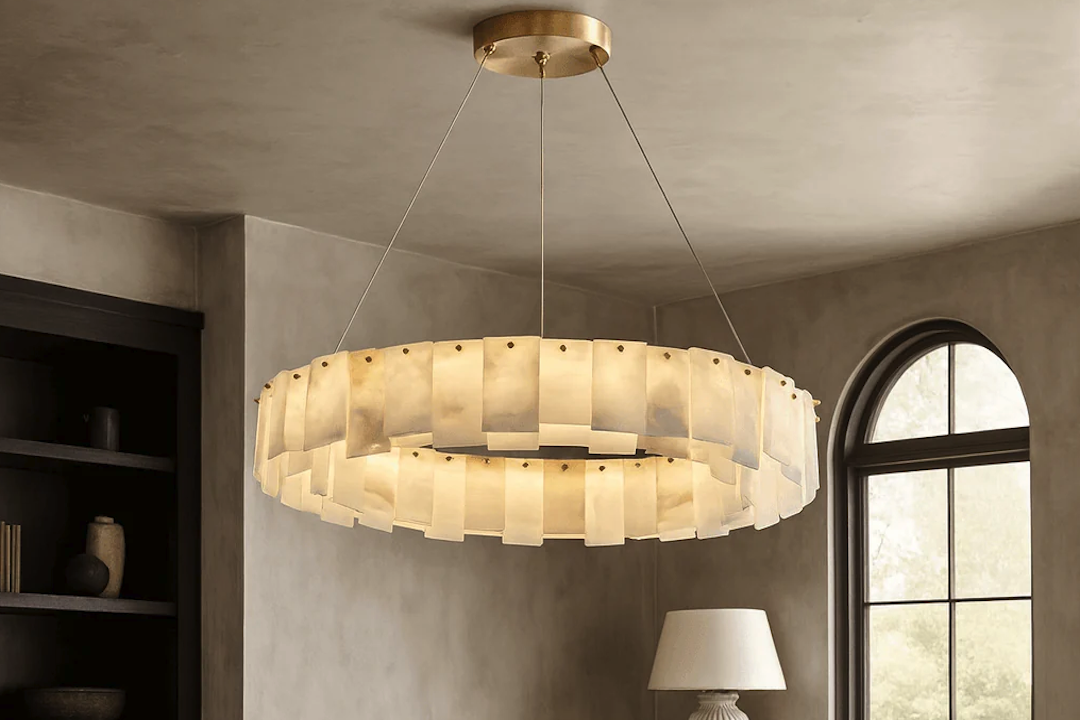
Curved Metal Chandelier: Sculptural Dining Room Focal Point
When you’re looking for a dining room centerpiece that does more than just light things up, a curved metal chandelier can be an excellent choice. It’s essentially a wearable piece of art for your ceiling, adding a sculptural element that elevates the entire room’s aesthetic. Forget the basic fixture; we’re talking about something that commands attention and starts conversations, all while providing functional illumination.
Beyond just looking good, there are practical reasons why this type of chandelier stands out. It’s about combining form and function in a way that truly impacts your dining space.
More Than Just Light
Many light Shewarek fixtures are designed to simply emit light. A curved metal chandelier, however, offers an additional layer of visual interest. Its shape and material choices mean it contributes to the room’s decor even when it’s switched off. It’s an object of design, not just a utility.
The Sculptural Impact
The lines and curves of these chandeliers provide a dynamic silhouette. Unlike many traditional or linear fixtures, a curved design creates a sense of movement and artistry. It can soften a room with sharp angles or add a contemporary edge to a more classic setting. This sculptural quality is what truly makes it a focal point.
Durability of Metal
Metal, as a material, offers inherent strength and longevity. This means your chandelier will likely withstand the test of time, both structurally and aesthetically. It’s a robust choice that can hold its own in a busy dining area.
Choosing the Right Metal and Finish
The material and its finish play a significant role in how the chandelier integrates into your dining room. Each option brings a different vibe and can totally change the perceived style.
Classic Brass or Bronze
Brass and bronze provide a warmth and richness that can feel both traditional and sophisticated.
Polished Brass
Polished brass offers a reflective, golden sheen that can bring a touch of luxury and glamor. It works well in spaces that lean towards classic elegance or art deco. However, it can show fingerprints and may require occasional polishing to maintain its luster.
Brushed Brass
Brushed brass has a matte, subdued finish that’s less reflective. It’s a bit more contemporary and less ostentatious than polished brass, making it a good fit for modern farmhouse or industrial chic styles. It hides minor imperfections better than its polished counterpart.
Oiled Bronze
Oiled bronze is a darker, more rustic finish that often features coppery undertones. It evokes a sense of age and earthiness, fitting well with traditional, Mediterranean, or craftsman decor. It’s usually quite durable and forgiving of minor marks.
Sleek Stainless Steel or Chrome
For a more contemporary or industrial feel, stainless steel or chrome are excellent choices. They offer a cooler, cleaner aesthetic.
Brushed Stainless Steel
Brushed stainless steel provides a muted, industrial look. It’s practical, durable, and resists fingerprints relatively well. It’s a solid choice for modern, minimalist, or industrial-themed dining rooms.
Polished Chrome
Polished chrome is highly reflective and produces a bright, almost mirror-like finish. It brings a crisp, modern, and sometimes even futuristic feel. It’s popular in mid-century modern and contemporary designs, though it does tend to show smudges easily.
Industrial Iron or Blackened Steel
These options lean into a more raw, robust aesthetic. They are particularly effective in certain design schemes.
Matte Black Iron
Matte black iron is a versatile finish that can read as industrial, modern, or even subtly traditional depending on the design of the chandelier. It provides strong contrast and a grounding presence. It’s a popular choice for farmhouse, industrial, and contemporary spaces.
Patinated Steel
Patinated steel, which has a deliberately aged or weathered look, adds character and depth. It’s often used to create a vintage or industrial aesthetic, showing off the material’s natural imperfections and textures.
Design Considerations for Your Dining Room
Beyond the metal itself, the overall design and practical aspects of the chandelier are crucial for its success as a focal point.
Size and Scale
This is perhaps the most important consideration. A chandelier that’s too small will look lost, while one that’s too large will overwhelm the space.
Chandelier Width
A general rule of thumb for dining rooms is that the chandelier’s diameter should be about half to two-thirds the width of your dining table. This provides balance without making it feel cramped or insignificant. If your table is rectangular, consider a rectangular or oval chandelier to mirror its shape.
Chandelier Height
The bottom of your chandelier should typically hang about 30 to 36 inches above the dining table surface. This height ensures it provides ample light without obstructing views across the table, and it prevents people from bumping their heads when standing up. Adjust this slightly if your ceiling is very high or very low.
The Curve Itself
The nature of the curve is what gives these chandeliers their unique character. Do you prefer subtle arches or dramatic spirals?
Gentle Arcs
Chandelier designs with gentle, flowing arcs can introduce softness and fluidity into a room. These work well in spaces that want to feel elegant and airy without harsh lines.
Dramatic Spirals
More pronounced, dramatic spirals or intertwining curves create a stronger visual statement. These pieces are often true works of art and can become the absolute star of the room, fitting well in more audacious or avant-garde interiors.
Geometric Curves
Some curved metal chandeliers incorporate geometric curves, offering a blend of organic flow and structured design. This can be perfect for modern spaces seeking geometric interest without being rigidly linear.
Light Distribution and Direction
Think about how the chandelier will actually illuminate your dining table and the surrounding area.
Upward-Facing Lights
Fixtures with upward-facing lights create a softer, diffused glow as the light bounces off the ceiling. This can contribute to a more ambient and intimate dining experience. It might require additional lighting if you need brighter task lighting.
Downward-Facing Lights
Downward-facing lights provide more direct illumination onto the table, making it easier to see food and table settings clearly. This is often preferred for functional dining and can create brighter focal points.
Ambient vs. Task Lighting
A good dining room chandelier often aims for a balance. Many curved metal chandeliers provide excellent ambient light, spreading a general glow. If you also need focused task lighting for dining or other activities, consider chandeliers with multiple light sources or supplementary recessed lighting.
Integration with Room Style
The chandelier should complement, not clash with, your existing decor.
Modern and Contemporary
Sleek, minimalist curved designs in polished chrome, brushed stainless steel, or matte black are excellent for modern and contemporary spaces. Look for clean lines and perhaps integrated LED lighting.
Industrial and Loft
Rougher textures, darkened metals like blackened steel or iron, and exposed bulbs fit well with industrial and loft aesthetics. The curve can soften the otherwise stark industrial elements.
Transitional Styles
For transitional spaces, which blend traditional and modern elements, a curved metal chandelier in brushed brass or a subtle bronze could work well. It offers a contemporary shape with a classic finish.
Eclectic Spaces
An eclectic dining room is a playground for unique pieces. A sculptural curved metal chandelier can be a bold statement piece in such a setting, drawing disparate elements together.
Installation and Maintenance Tips
Even a beautiful chandelier won’t be much good if it’s not installed correctly or if it’s a nightmare to clean.
Professional Installation is Key
Unless you’re a qualified electrician, hiring a professional for installation is always a good idea. Chandeliers, especially larger metal ones, can be heavy and complex to wire.
Ceiling Support
Ensure your ceiling can support the weight of the chandelier. Older homes or certain ceiling constructions might require additional bracing in the attic or ceiling joists. An electrician can assess this.
Electrical Wiring
Proper wiring is essential for safety and function. A professional will ensure correct connections and grounding. They can also advise on dimmer switch compatibility, which is highly recommended for dining rooms to control ambiance.
Keeping It Pristine
Metal chandeliers are generally durable, but they do benefit from some regular care.
Regular Dusting
The simplest way to maintain your chandelier is a regular dusting. Use a soft, lint-free cloth or a duster with an extendable handle. Make sure the lights are off and cool before you start.
Gentle Cleaning
For more stubborn marks or a deeper clean, use a slightly damp cloth with just water or a very mild, non-abrasive cleaner specifically designed for the metal type of your chandelier. Avoid harsh chemicals, which can damage the finish. Always test a small, inconspicuous area first.
Bulb Replacement
When it’s time to replace bulbs, ensure you use the correct type and wattage as specified by the manufacturer. Consider LED bulbs for energy efficiency and longer lifespan, if compatible. Make sure to turn off the power at the circuit breaker before changing any bulbs.
Styling Your Dining Room Around the Chandelier
Once you have your curved metal chandelier, think about how to tie the rest of the room together. It’s a focal point, but it shouldn’t be the only thing in the room.
Complementary Furnishings
Your dining table and chairs should work in harmony with the chandelier.
Table Material
If your chandelier is sleek and modern, a glass or minimalist wood table might be a good match. For a chandelier with a more rustic metal finish, a substantial solid wood table could be appropriate.
Chair Design
Chairs can either echo the chandelier’s style or offer a contrast. For instance, a very sculptural chandelier might be balanced by simpler chairs, or you could lean into the artistic vibe with equally unique chair designs.
Wall Decor and Art
The area around the chandelier also plays a role in its prominence.
Understated Walls
Often, a statement chandelier benefits from relatively understated wall decor. This allows the light fixture to truly stand out without competing for attention. Think subtle textures, a single large piece of art, or a well-placed mirror.
Gallery Walls
If you have a gallery wall, ensure the chandelier’s height and visual weight don’t conflict with the art. Sometimes a gallery wall works better on a nearby wall rather than directly beneath or in fierce competition with the chandelier.
Rugs and Textiles
Rugs can help define the dining space and influence the overall feel.
Defining the Zone
A dining room rug can ground the table and chandelier, creating a cohesive zone. Choose a rug that complements the colors and textures of your chandelier and furniture without overwhelming them.
Softening or Accentuating
Textiles can soften the harder lines of metal or accentuate its industrial edge. Consider curtains, chair cushions, or even a table runner that works with the chandelier’s aesthetic.
A curved metal chandelier offers a distinctive way to bring both light and significant artistic flair to your dining room. It’s a considered choice that requires attention to detail, from the material finish to its scale and placement. When selected thoughtfully, it transforms a functional space into a statement of design.