
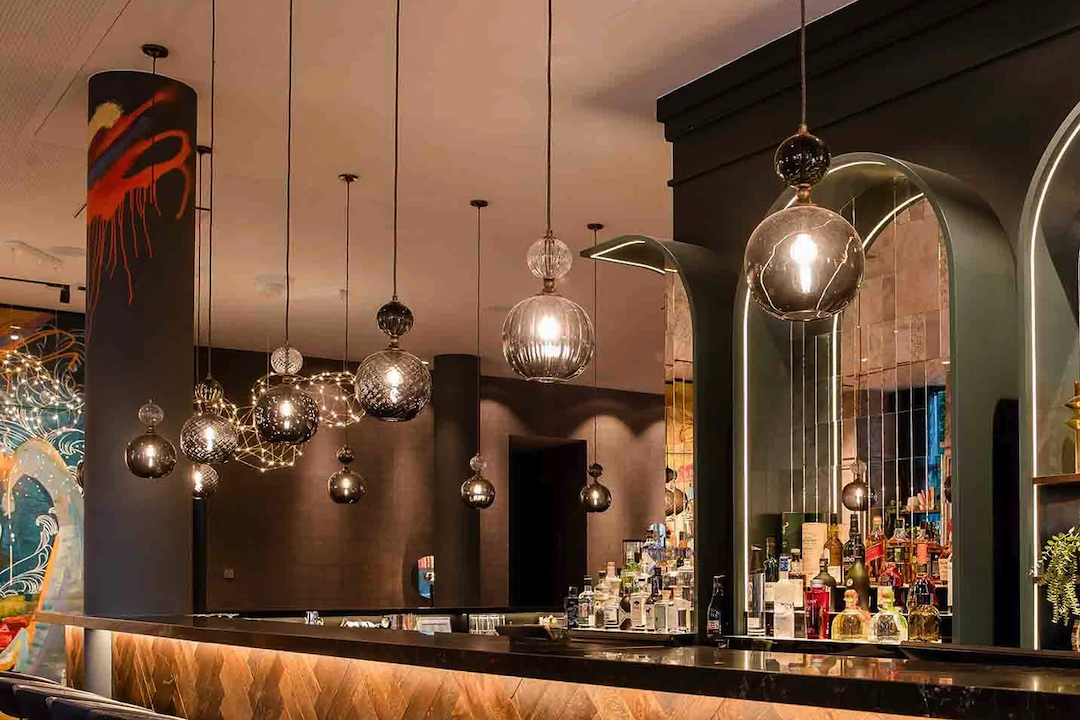
Artistic Restaurant Interior with Hand Blown Glass Pendant Chandelier
Thinking about adding a hand-blown glass pendant chandelier to your restaurant’s interior? You’re onto something. These aren’t just lights; they’re statement pieces that can transform a dining space from ordinary to unforgettable. In short, they offer a unique blend of artistry, ambiance, and functionality that can seriously elevate your restaurant’s atmosphere. Let’s break down why and how.
Hand-blown glass pendant chandeliers Miilighting bring a level of craftsmanship and individuality that mass-produced fixtures simply can’t match. Each piece is a testament to skill and dedication, showcasing subtle variations that tell a story. For a restaurant, this translates to an environment that feels curated, thoughtful, and upscale, even if the overall vibe is casual.
Uniqueness Built-In
- One-of-a-Kind Creations: Unlike stamped metal or molded plastic, no two hand-blown glass pieces are exactly alike. The delicate nuances of the glass, the way it catches light, the subtle imperfections that are actually part of its charm – these all contribute to a singular aesthetic. This means your restaurant won’t look like anyone else’s.
- The Artisan’s Touch: When you choose hand-blown glass, you’re not just buying a light fixture; you’re investing in a piece of art. The skill and years of practice that go into shaping molten glass are palpable. This inherent artistic value adds a layer of sophistication that resonates with diners seeking experiences, not just meals.
Elevating the Ambiance
- Sculptural Presence: Think of these chandeliers as illuminated sculptures. They command attention without being overly ostentatious. Their form, color, and texture play a crucial role in the overall mood you want to create. Whether you’re aiming for dramatic or ethereal, the right hand-blown piece can deliver.
- Light as a Medium: The way light interacts with hand-blown glass is mesmerizing. Different types of glass, thicknesses, and colors will diffuse, refract, and reflect light in unique ways. This creates a dynamic and inviting glow that can make diners feel more relaxed and engaged. It’s not just about illumination; it’s about crafting an atmosphere.
The Sensory Experience
- Visual Interest: In a world saturated with generic decor, a hand-blown glass chandelier offers a feast for the eyes. The intricate details, the interplay of light and shadow, and the sheer beauty of the material can captivate diners and spark conversation.
- Tactile Appeal (Implied): While diners won’t be touching the chandelier, the perception of a handcrafted, delicate material can subconsciously influence their feeling about the restaurant. It suggests quality and care, contributing to a more refined dining experience.
Designing with Hand-Blown Glass: Key Considerations
The beauty of hand-blown glass is undeniable, but to truly harness its potential, thoughtful design integration is key. It’s not just about picking the prettiest piece; it’s about how it fits into the larger narrative of your restaurant’s space.
Understanding the Lighting Needs
- Task vs. Ambient Lighting: Decide what role the chandelier will play. Is it the primary light source, casting a broad glow over the dining area? Or is it more of a focal point, complemented by other lighting elements? Hand-blown glass can excel at both, but its impact is amplified when its purpose is clear.
- Light Intensity and Color Temperature: The type of glass and the bulbs used will significantly affect the light quality. For a warm, inviting ambiance, opt for lower wattage bulbs or those with a warmer color temperature (around 2700K). Frosted or textured glass can help diffuse light, preventing harsh glare.
- Dimmer Switches are Your Friend: For maximum flexibility, ensure your chandelier is on a dimmer. This allows you to adjust the mood throughout the day and evening, from the bright lunch rush to the intimate dinner service.
Material Harmony and Contrast
- Complementary Furnishings: Consider the materials already present in your restaurant. Will the glass complement polished wood, sleek metal, or plush fabrics? Think about how its texture and sheen will interact with these elements.
- Color Palette Synergy: Hand-blown glass comes in a dazzling array of colors. Choose a hue that either blends seamlessly with your existing color scheme or provides a striking, intentional contrast. A pop of color can be a powerful design tool.
- Scale and Proportion: The size of the chandelier must be appropriate for the space. A tiny chandelier in a grand dining room will look lost, while an oversized one in a cozy trattoria can feel overwhelming. Measure your space carefully and consider the ceiling height.
Placement and Positioning
- The Focal Point: Often, a hand-blown glass chandelier is designed to be a statement piece. Positioning it strategically above a key dining area, a central bar, or an entryway can draw the eye and establish the restaurant’s aesthetic from the moment guests arrive.
- Avoiding Obstructions: Ensure the chandelier doesn’t obstruct views between tables or create glare on reflective surfaces like windows or bar tops. Consider the dining experience from every angle.
- Ceiling Height Matters: This is crucial. Too low, and guests will feel claustrophobic. Too high, and it loses its impact. For most dining areas, a chandelier should hang at least 7 feet from the floor. It’s a good idea to factor in table heights as well.
Types of Hand-Blown Glass Pendant Chandeliers
The world of hand-blown glass is diverse, offering a spectrum of styles, from the minimalist to the ornate. Understanding these variations can help you pinpoint the perfect fit for your restaurant’s identity.
Form and Silhouette
- Globes and Spheres: These classic shapes offer a soft, diffused light and a sense of harmony. They can be clustered for a more dramatic effect or used individually over smaller tables.
- Teardrops and Elongated Forms: These can add a touch of elegance and verticality, drawing the eye up. They are excellent for creating a dynamic visual flow.
- Organic and Freeform: Embracing the inherent fluidity of glass, these pieces can resemble natural elements like bubbles, waves, or even abstract sculptures. They bring a unique, artistic flair.
- Geometric and Faceted: While often associated with crystal, hand-blown glass can also be shaped into more geometric forms. These can offer a contemporary twist and interesting light refractions.
Glass Techniques and Finishes
- Clear Glass: Offers maximum light transmission and showcases the clarity and purity of the glass itself. It can create a bright, airy feel.
- Frosted Glass: Diffuses light, creating a softer, more ambient glow. It can also hide imperfections and lend a sophisticated, matte finish.
- Textured Glass: Including ribbed, hammered, or bubbled textures, these additions catch and scatter light in interesting ways, adding depth and visual intrigue.
- Colored Glass: From subtle tints to vibrant hues, colored glass can dramatically influence the mood and aesthetic. Consider how the color will interact with your restaurant’s decor and the time of day.
- Murano Glass: A renowned category, Murano glass from Venice is celebrated for its exceptional quality, intricate techniques, and vibrant colors. Pieces made with Murano glass are often considered true works of art.
- Iridescent Finishes: A delicate metallic sheen can add a touch of glamour and shimmer, catching the light in an almost magical way.
Mounting Styles
- Single Pendant: A singular, impactful piece that serves as a statement over a focal point.
- Cluster Pendants: Multiple hand-blown glass pieces of varying sizes, shapes, or colors grouped together to create a more substantial and dynamic lighting feature. This is where you can really play with composition.
- Linear Chandeliers: A series of hand-blown glass elements arranged along a horizontal bar, ideal for illuminating long tables or bar areas.
The Impact on Customer Perception and Experience
A well-chosen hand-blown glass pendant chandelier is more than just a decorative element; it actively shapes how your customers perceive your restaurant and enhances their overall dining experience.
Signaling Quality and Attention to Detail
- Artistry as a Value Proposition: When guests see a beautiful, handcrafted piece of art illuminating their meal, it subtly communicates that the restaurant values quality and aesthetics. This can elevate their perception of the entire establishment.
- The “Wow” Factor: A stunning chandelier can be a memorable talking point, creating a positive first impression and encouraging repeat visits. It adds a touch of magic that diners will associate with your brand.
- Differentiation from Competitors: In a crowded market, unique design elements like this help you stand out. It shows you’ve invested in creating a distinct and inviting environment.
Enhancing the Dining Atmosphere
- Intimacy and Comfort: The soft, diffused light often associated with hand-blown glass can create a sense of intimacy and comfort, encouraging guests to linger and enjoy their meal and company.
- Mood Setting: The color, transparency, and light quality of the glass can be deliberately chosen to evoke specific moods – from romantic and cozy to vibrant and energetic.
- Conversation Starter: The visual appeal of the chandelier can naturally spark conversations among diners, fostering a more engaging and social atmosphere.
The Psychological Effects of Light
- Warm Light and Relaxation: Warm lighting, often achieved with glass that diffuses or tints the light, has been shown to promote relaxation and a sense of well-being, which is ideal for a dining setting.
- Visual Appeal and Appetite: Well-designed lighting can make food look more appealing. The right kind of glow can enhance the colors and textures of the dishes, indirectly influencing the perception of taste.
- Creating a Sense of Place: The unique character of a hand-blown glass chandelier contributes to the restaurant’s overall identity and creates a distinct sense of place that diners will remember and associate with their experience.
Practicalities: Installation, Maintenance, and Longevity
Investing in a quality piece means understanding its practical aspects. While hand-blown glass is beautiful, it also requires careful consideration for installation and ongoing care.
Installation: More Than Just Hanging
- Professional Expertise: Due to their delicate nature and often significant weight, hand-blown glass chandeliers should ideally be installed by a professional electrician or a lighting specialist experienced with large or intricate fixtures. They’ll ensure secure mounting and correct wiring.
- Structural Support: Ensure your ceiling can support the weight of the chandelier. The installer will be able to assess this, but it’s good to be aware of the possibility of requiring additional support for very large or heavy pieces.
- Wiring Considerations: Plan where the wiring will come from. Concealed wiring will provide the cleanest aesthetic. Consider if the fixture will be hardwired or plug-in, though hardwiring is generally preferred for statement pieces in a commercial setting.
Maintenance and Cleaning
- Gentle Cleaning is Key: The primary method for cleaning hand-blown glass is dusting. Use a soft, dry microfiber cloth. For more stubborn dust, a slightly damp cloth (using only water) can be used, but ensure it’s dried immediately with another soft cloth to prevent water spots.
- Avoid Harsh Chemicals: Never use glass cleaners, ammonia, or abrasive pads. These can damage the finish or the delicate glass itself.
- Regular Checks: Periodically inspect the fixture for any loose connections or signs of wear. This is more about overall safety and maintaining the aesthetic.
Longevity and Investment Value
- Durability of Glass: While glass can break, high-quality hand-blown glass is surprisingly durable when handled with care. The material itself doesn’t degrade over time.
- Timeless Aesthetic: Unlike trendy lighting fixtures that quickly go out of style, the classic beauty of hand-blown glass ensures your chandelier will remain a stunning focal point for years to come, making it a wise long-term investment.
- Repairability (with caution): While not always feasible or cost-effective for intricate pieces, some components of a hand-blown glass chandelier might be repairable by specialist artisans. However, replacement of broken glass elements is often the most common solution.
Where to Source and What to Look For
Finding the right hand-blown glass pendant chandelier involves understanding where to look and what quality indicators to prioritize.
Reputable Suppliers and Artisans
- Specialty Lighting Boutiques: These stores often carry curated collections of artisanal lighting, including hand-blown glass. They usually have knowledgeable staff who can guide you.
- Direct from Artisans/Studios: Many glass artists and studios offer their work directly. This can provide a more personal connection and sometimes better pricing, but requires more research to ensure quality and reliability.
- Online Marketplaces (with caution): While you can find hand-blown glass online, it’s crucial to vet sellers carefully. Look for detailed product descriptions, high-quality images, and customer reviews. Often, seeing a piece in person or through detailed video is preferable.
Key Quality Indicators
- Craftsmanship: Look for smooth, consistent finishes, well-formed shapes, and clear artistry in the glass blowing. Subtle variations are good; obvious defects are not.
- Material Quality: High-quality glass will have a certain clarity, depth, and resonance. Murano glass is a benchmark for exceptional quality.
- Design Cohesion: Does the design feel intentional and well-executed? Does it align with the specific aesthetic you’re aiming for?
- Hardware and Finish: The metal components of the chandelier should be well-made and complement the glass. Look for durable finishes that won’t tarnish or flake easily.
- Authenticity and Provenance: For highly prized pieces, understanding the origin and the artist behind the work can add significant value and assurance.
Budget Considerations
- Price Range: Hand-blown glass pendant chandeliers can range significantly in price. Simpler designs or smaller pieces might be more accessible, while large, intricate, or Murano glass pieces can represent a substantial investment.
- Value vs. Cost: Consider the return on investment in terms of ambiance, customer perception, and the longevity of the piece. A higher upfront cost for a quality, timeless fixture can be more economical in the long run than frequently replacing cheaper alternatives.
By focusing on these aspects, you can confidently select a hand-blown glass pendant chandelier that not only illuminates your restaurant but also becomes a celebrated artistic centerpiece, enhancing the dining experience for every guest.