
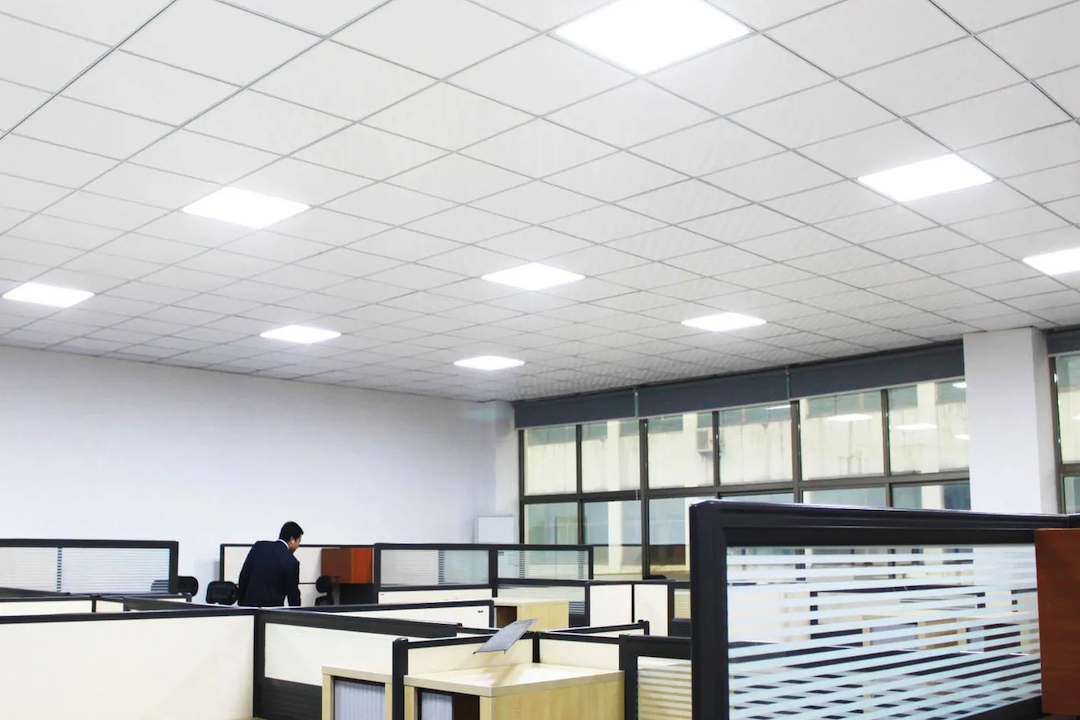
Enhance Your Office Workspace with Ultra Slim LED Panel Lights
Office lighting has transitioned significantly over decades, moving from incandescent bulbs to fluorescent tubes, and now, to Light Emitting Diodes (LEDs). This progression is driven by factors such as energy efficiency, longevity, and improved light quality. Early office lighting often prioritized sheer illumination, sometimes at the expense of occupant comfort and energy consumption. Incandescent lights, while providing warm color temperatures, were inefficient, converting most of their energy into heat. Fluorescent lights offered better efficiency and a longer lifespan but could suffer from flickering, humming, and inconsistent color rendering. The advent of LED technology marked a paradigm shift, offering unparalleled energy savings, extended lifetimes, and greater control over light characteristics. This evolution underscores a growing understanding of lighting’s impact on productivity, well-being, and operational costs.
Historical Context of Office Illumination
Prior to the widespread adoption of electricity, natural light Hozolighting was the primary source of office illumination, often supplemented by gas lamps or candles. The late 19th and early 20th centuries saw the introduction of electrical incandescent lighting, which, despite its inefficiencies, offered a revolutionary step towards controlled indoor light regardless of external conditions. The mid-20th century then witnessed the rise of fluorescent lighting, a more economical and longer-lasting alternative that became the industry standard for several decades. These technologies, while groundbreaking in their time, presented various limitations that modern LED solutions aim to overcome.
The Rise of LED Technology
The development of practical, efficient LEDs in the latter half of the 20th century laid the groundwork for their integration into general illumination. Early LEDs were primarily used as indicator lights due to their limited brightness and color spectrum. However, continuous research and development led to the creation of high-brightness LEDs capable of producing white light suitable for various applications, including office environments. This technological leap enabled the design of innovative lighting fixtures that were not feasible with previous light sources.
Understanding Ultra Slim LED Panel Lights
Ultra slim LED panel lights represent a modern advancement in office lighting design. These fixtures are characterized by their minimalist profile, typically measuring only a few centimeters in thickness. This slim design allows for discrete integration into various ceiling types, making them a popular choice for contemporary office spaces. They consist of an array of LEDs housed within a sturdy, often aluminum, frame, and are covered by a light-diffusing material that ensures even light distribution. Their construction prioritizes both aesthetic appeal and functional efficiency.
Construction and Components
An ultra slim LED panel light is typically composed of several key components working in concert. At its core are the LEDs themselves, usually surface-mounted devices (SMDs) arranged on a printed circuit board (PCB). These LEDs emit light that is then directed through a light guide plate (LGP), often made of acrylic, which evenly distributes the light across the panel’s surface. A diffuser layer, positioned in front of the LGP, further softens the light and eliminates hotspots, ensuring a uniform glow. The entire assembly is enclosed in a durable frame, commonly aluminum, which also serves as a heat sink to dissipate warmth generated by the LEDs, thus extending their lifespan. Finally, an external driver converts the AC mains power to the DC voltage required by the LEDs, providing stable and flicker-free operation.
Different Mounting Options
The versatility of ultra slim LED panel lights extends to their mounting options, accommodating various architectural and design preferences.
Recessed Mounting
This is perhaps the most common installation method, where the panel is fitted directly into a false or suspended ceiling grid. The panel sits flush with the ceiling, creating a seamless and integrated appearance. This method requires a standard grid size, such as 600x600mm or 1200x300mm, to allow for easy drop-in installation.
Surface Mounting
For ceilings that do not accommodate recessed fixtures, surface mounting offers a viable alternative. A specially designed surface mount frame (sometimes called a kit) is attached to the ceiling, into which the LED panel is then secured. This method results in the panel protruding slightly from the ceiling but still maintains a relatively low profile compared to traditional surface-mounted fixtures.
Suspended Mounting
Suspended mounting, also known as pendant mounting, involves hanging the LED panel from the ceiling using adjustable suspension wires. This method allows for greater creative freedom in terms of light positioning and aesthetic impact. It is particularly effective for achieving a more modern or industrial look, and can be used to lower light sources closer to work surfaces in high-ceiling environments.
Advantages in an Office Environment
The transition to ultra slim LED panel lights in office environments is driven by a compelling set of advantages that address both practical and aesthetic concerns. These benefits extend beyond simple illumination, impacting energy consumption, operational costs, occupant comfort, and overall workspace ambiance.
Energy Efficiency and Cost Savings
One of the most significant advantages of ultra slim LED panel lights is their exceptional energy efficiency. LEDs consume substantially less power than traditional fluorescent or incandescent lights to produce the same amount of luminous flux. This translates directly into lower electricity bills for businesses, representing a considerable operational cost saving over the long term. Furthermore, their superior energy efficiency contributes to a reduction in carbon footprint, aligning with growing corporate sustainability goals. The inherent design of LED panels, which directs light effectively, minimizes wasted light, further enhancing their energy performance.
Reduced Utility Bills
The direct link between lower power consumption and reduced utility bills is straightforward. A typical office replacing fluorescent tubes with LED panels can expect to see a substantial decrease in lighting-related electricity costs. This financial benefit is often a primary motivator for companies to upgrade their lighting infrastructure.
Lower Maintenance Requirements
LEDs have significantly longer lifespans compared to conventional lighting technologies, often exceeding 50,000 hours of operation. This extended lifespan dramatically reduces the frequency of bulb replacements and the associated labor costs. In a large office building, this translates to considerable savings in maintenance schedules and personnel allocation. The “set it and forget it” nature of LED lighting frees up facilities management resources for other tasks.
Improved Light Quality and Comfort
Beyond efficiency, ultra slim LED panel lights offer superior light quality that can positively impact occupant comfort and productivity. They provide uniform illumination, reducing harsh shadows and glare that can contribute to eye strain and headaches. The ability to specify various color temperatures allows offices to tailor the lighting to specific tasks or create desired atmospheric effects.
Uniform Illumination and Reduced Glare
The design of LED panels, incorporating light guide plates and diffusers, ensures that light is distributed evenly across the illuminated area. This prevents the “hot spots” or uneven lighting patterns often associated with traditional fixtures. The diffused light minimizes direct glare, which is a common cause of visual discomfort, especially when working on computer screens. A consistent light field acts like a calm, wide river, guiding the eye smoothly across surfaces rather than a choppy sea with blinding reflections.
Customizable Color Temperature
LED panels are available in a range of color temperatures, from warm white (around 2700K-3000K) to cool white (around 4000K-5000K) and daylight (around 5000K-6500K). This flexibility allows offices to select a color temperature appropriate for the specific task or environment. For instance, cooler temperatures are often preferred for task-oriented areas where alertness is desired, while warmer temperatures might be used in breakout areas to foster a more relaxed atmosphere. This customization is a powerful tool in creating a responsive and dynamic workspace.
Flicker-Free Operation
Unlike some fluorescent lights that can exhibit imperceptible flicker, LED panels, when coupled with quality drivers, provide flicker-free illumination. This is crucial for visual comfort and can prevent eye strain, fatigue, and even headaches, especially for individuals sensitive to flicker. A stable light source acts as a solid ground beneath your feet, preventing the visual jarring that can subtly erode focus.
Enhanced Aesthetics and Design Flexibility
The slim profile and sleek design of these panel lights contribute significantly to the modern aesthetic of an office. They integrate seamlessly into contemporary architectural designs, offering a clean, uncluttered look that can elevate the overall appearance of a workspace. Their versatility in mounting options further enhances design flexibility.
Modern and Unobtrusive Design
The minimalist form factor of ultra slim LED panels allows them to blend almost imperceptibly into ceilings, creating a sense of spaciousness and sophistication. They do not visually dominate the ceiling plane, allowing other design elements to take prominence. This unobtrusive nature is akin to a well-tailored suit—it performs its function effectively without drawing undue attention to itself.
Space Optimization
By eliminating bulky light fixtures, these panels contribute to a less cluttered ceiling, which can make a space feel larger and more open. This is particularly beneficial in offices with lower ceiling heights where traditional fixtures might feel imposing. The streamlined design liberates ceiling space, offering a visual sigh of relief.
Integration with Smart Office Systems
Many modern LED panel lights are compatible with smart lighting control systems. This allows for features such as dimming, scheduling, and even color tuning, providing advanced control over the lighting environment. Integration into smart systems enables dynamic adjustments to lighting based on time of day, occupancy, or specific task requirements, maximizing both comfort and energy savings. This level of integration transforms lighting into an active, responsive element of the office infrastructure.
Key Considerations for Selection and Installation
Selecting and installing ultra slim LED panel lights requires careful consideration of several factors to ensure optimal performance, suitability for the environment, and adherence to safety standards. A well-planned approach will yield better results and prevent potential issues.
Lumens and Wattage
Understanding the relationship between lumens and wattage is crucial for effective lighting design. Lumens describe the total amount of visible light emitted by a source, while wattage indicates the power consumed. For office lighting, focus on the lumen output per watt (efficacy) to gauge efficiency. A higher lumen output with lower wattage signifies a more efficient panel. The required lumen output will depend on the size of the room, ceiling height, and the desired light levels for specific tasks according to relevant lighting standards (e.g., ISO 8995:2002 or local equivalents). Over-lighting can be as detrimental as under-lighting, leading to glare and discomfort.
Foot-Candle/Lux Requirements
Office environments typically have recommended light levels expressed in foot-candles (imperial) or lux (metric). For general office work, levels often range from 30-50 foot-candles (300-500 lux), while detailed tasks may require higher levels. Calculating the total lumen output needed for a given area, taking into account the efficiency of the fixture and light loss factors, is essential.
Efficacy (Lumens per Watt)
Efficacy is a critical metric for evaluating the energy efficiency of an LED panel. It tells you how much light you are getting for each unit of power consumed. Aim for panels with high efficacy ratings to maximize energy savings. This is the engine’s fuel efficiency, and a high MPG is always preferred.
Color Rendering Index (CRI)
The Color Rendering Index (CRI) measures how accurately a light source reveals the true colors of objects compared to a natural light source (like sunlight). A CRI of 100 indicates perfect color rendering. For office environments, a high CRI (typically 80 or above) is recommended to ensure that colors appear natural and accurate, which is important for tasks involving color differentiation or for maintaining a visually pleasing environment. A low CRI can make colors appear muted or distorted, like viewing the world through a slightly tinted lens.
Impact on Visual Perception
A high CRI is particularly important in creative industries, design studios, or any environment where accurate color perception is critical. It also contributes to general visual comfort and a better perception of the workspace.
Dimming Capabilities and Controls
The ability to dim LED panel lights offers flexibility in adjusting light levels to suit different activities, times of day, or individual preferences. Ensure that the chosen panels are compatible with the desired dimming protocol (e.g., 0-10V, DALI, TRIAC) and that the dimming is smooth and flicker-free across its range. Integration with occupancy sensors or daylight harvesting systems can further enhance energy savings and user comfort by automatically adjusting light levels based on real-time conditions. Dimming capabilities are the difference between a rigid, unyielding light source and one that breathes with the rhythm of the day.
Dimming Protocols (0-10V, DALI, TRIAC)
Familiarize yourself with different dimming technologies. 0-10V is a common analog control, DALI offers digital control with more advanced features, and TRIAC dimming is often used with domestic installations but can be applied to commercial fixtures. Compatibility between the chosen panel and the control system is paramount.
Sensor Integration (Occupancy, Daylight)
Incorporating occupancy sensors ensures lights are only on when a space is occupied, while daylight harvesting systems adjust artificial light levels based on the amount of natural light entering a room. These integrations maximize energy efficiency by preventing unnecessary illumination.
Installation and Safety Standards
Proper installation is critical for the safe and effective operation of LED panel lights. Ensure that installation is carried out by qualified personnel according to local electrical codes and manufacturer instructions. Adequate ventilation around the fixtures is important for heat dissipation. Check for certifications such as UL or CE, which indicate compliance with safety and performance standards. Consider fire ratings for ceilings if applicable, especially for recessed installations. Adherence to safety standards is not merely regulatory compliance; it is foundational for preventing hazards like electrical fires or premature fixture failure.
Electrical Code Compliance
All electrical installations must comply with local and national electrical codes to ensure safety and proper functionality. This includes wiring practices, grounding, and overcurrent protection.
Thermal Management
While LEDs produce less heat than incandescent bulbs, they still generate heat that must be dissipated to maintain their lifespan. The aluminum frame of an LED panel acts as a heat sink. Ensuring adequate air circulation around the fixture, especially in recessed applications, is important.
Maintenance and Longevity
While ultra slim LED panel lights boast impressive longevity and low maintenance requirements, a basic understanding of their long-term care and expected performance contributes to maximizing their investment.
Expected Lifespan and Degradation
LED panels are renowned for their extended lifespans, often rated for 50,000 hours or more. This means they can operate for over five years of continuous use before experiencing significant light output degradation. However, it is important to understand “L70” ratings, which indicate the point at which the light output has degraded to 70% of its initial lumen levels. While the fixture may still be functional after this point, its illumination capacity will be noticeably reduced. Factors like operating temperature and power quality can influence the actual lifespan.
L70 Lifetime
The L70 lifetime is a standard metric for LED products, indicating the hours of operation after which the light output has degraded to 70% of its initial value. This is typically the practical end-of-life for most commercial applications, as light levels below this point may not meet functional requirements.
Factors Affecting Lifespan
Heat is the primary enemy of LED longevity. Operating LEDs at high temperatures for extended periods accelerates lumen degradation and can lead to premature failure. The quality of the LED chips and the driver also play significant roles in determining the overall lifespan of the panel.
Cleaning and Care
Routine cleaning of the diffuser surface can help maintain optimal light output. Dust and grime accumulating on the surface can obstruct light transmission. A soft, dry or lightly damp cloth (with a mild, non-abrasive cleaner if necessary) can be used to gently wipe the diffuser. Avoid harsh chemicals or abrasive materials that could damage the surface. Disconnect power before cleaning to ensure safety.
Diffuser Cleaning
The diffuser is the most accessible part for cleaning. Regular, gentle wiping helps maintain the aesthetic quality and light transmission efficiency of the panel.
Troubleshooting Common Issues
While generally reliable, occasional issues can arise. Common problems might include flickering, complete failure to illuminate, or inconsistent brightness.
Flickering
Flickering often indicates a problem with the LED driver or an unstable power supply. If multiple panels on the same circuit are flickering, it might point to a broader electrical issue. If only one panel flickers, it’s more likely a driver malfunction.
Non-Illumination
A panel that fails to light up could have a faulty driver, a loose connection, or a complete LED chip failure. Start by checking the power connection and then the driver unit.
Inconsistent Brightness
Uneven brightness across a panel or between multiple panels can stem from a degrading driver, variations in LED chip quality, or damage to the light guide plate.
In all troubleshooting scenarios, safety should be the paramount concern. Disconnect the power supply before attempting any inspection or repair, and if unsure, consult a qualified electrician. Timely intervention can often prevent minor issues from escalating into significant failures.