
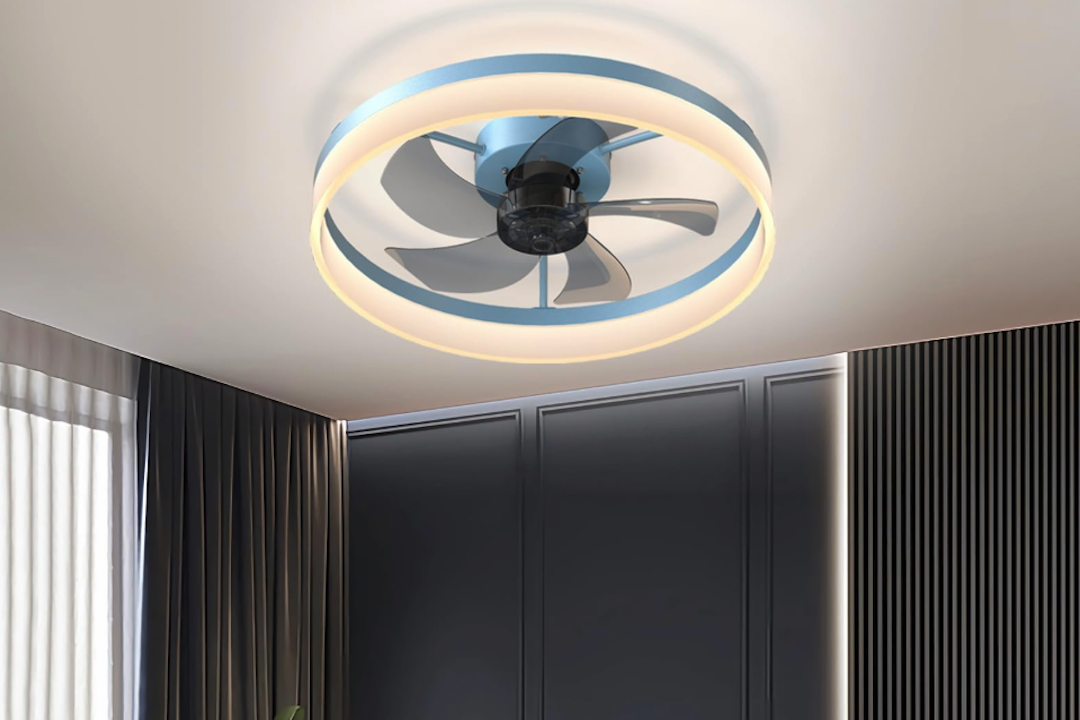
Upgrade Your Bedroom with Integrated LED Ceiling Fans
This article explores the integration of LED lighting into ceiling fan technology, offering a comprehensive overview for individuals considering such an upgrade to their living spaces. It delves into the practical considerations, functional advancements, and aesthetic implications of these combined units.
The ceiling fan, a ubiquitous fixture for comfort and airflow, has undergone significant transformations since its inception. Initially a belt-driven system, it evolved into an electric-powered device primarily focused on air circulation. Concurrently, artificial lighting, from gas lamps to incandescent bulbs, developed independently. The integration of light Lappinlighting into ceiling fans emerged as a logical step, aiming to consolidate two essential room functions into a single unit. This unification offered practical benefits, primarily by reducing the number of ceiling-mounted fixtures and simplifying electrical wiring.
Early Iterations and Limitations
Early ceiling fan-light combinations typically featured incandescent bulbs housed within a basic fixture attached to the fan’s motor housing. These often suffered from several drawbacks. The illumination quality was frequently compromised, with light being cast primarily downwards, leading to inadequate room lighting. The heat generated by incandescent bulbs could also impact fan motor longevity if not properly dissipated. Furthermore, the aesthetic integration was often rudimentary, with the light fixture appearing as an add-on rather than a seamless component. Control systems were also basic, often requiring separate pull chains for the fan and light, or simple wall switches.
The Incandescent Era: Simplicity and Static Design
During the incandescent era, ceiling fans with integrated lights were primarily utilitarian. The focus was on providing basic illumination in conjunction with air movement. Design choices were limited, often favoring functionality over aesthetics. Homeowners typically accepted these limitations as the standard, relying on additional lamps for more comprehensive room lighting. The energy consumption of incandescent bulbs in these units was also a significant factor, contributing to higher electricity bills.
Halogen’s Brief Stint: Brighter but Hotter
Halogen bulbs offered an improvement in brightness and light quality compared to incandescent, often found in more premium fan-light units. However, their higher heat output and shorter lifespan presented new challenges. The increased heat could negate some of the cooling benefits of the fan, and concerns about fire safety, though often exaggerated, were present. Halogen’s use in integrated ceiling fans was therefore a transitional phase, paving the way for more efficient and cooler lighting technologies.
Introduction to Integrated LED Technology
The advent of Light Emitting Diode (LED) technology marked a paradigm shift in integrated ceiling fan design. LEDs offer a host of advantages over traditional lighting sources, making them particularly well-suited for this application. Their small size, low heat emission, remarkable energy efficiency, and extended lifespan are key drivers behind their widespread adoption. When integrated into ceiling fans, LEDs transcend the limitations of previous lighting technologies, offering superior performance and design flexibility.
The Advantages of LED Integration
The benefits of LED lighting are manifold. Energy efficiency is a primary driver; LEDs consume significantly less electricity than incandescent or halogen bulbs, directly translating to lower operating costs for the homeowner. Their extended lifespan, often measured in tens of thousands of hours, minimizes the need for frequent bulb replacement, a particularly attractive feature for ceiling-mounted fixtures that can be challenging to access. The low heat output of LEDs also benefits the fan motor, reducing thermal stress and potentially prolonging its operational life.
Design Flexibility and Aesthetical Integration
LEDs’ compact size allows for much greater design flexibility. Unlike bulky incandescent sockets, LEDs can be incorporated directly into the fan’s housing, blades, or central hub, creating a more cohesive and contemporary aesthetic. This enables manufacturers to develop sleeker, more minimalist designs that better blend with modern interior decor. The light distribution can also be more precisely controlled, allowing for both focused task lighting and broad ambient illumination depending on the fan’s design.
Customization and Control: Beyond On/Off
Beyond basic illumination, integrated LED ceiling fans often offer advanced customization and control options. Many models include dimming capabilities, allowing you to adjust the light intensity to suit different moods or activities. Color temperature alteration, from warm white to cool daylight, provides further versatility, enabling you to tailor the ambiance of a room. These features are typically managed through remote controls, wall-mounted panels, or even smart home integration systems, offering unprecedented convenience.
Benefits of Upgrading to Integrated LED Ceiling Fans
Upgrading to an integrated LED ceiling fan is not merely a cosmetic change; it represents a functional enhancement that can significantly improve your living environment. Consider it an investment in comfort, efficiency, and aesthetics, offering a multitude of practical advantages.
Energy Efficiency and Cost Savings
The most immediate and tangible benefit is the substantial reduction in energy consumption. LEDs, as discussed, are highly efficient, converting a large percentage of electrical energy into light rather than heat. This translates directly into lower electricity bills, offering long-term financial savings that can offset the initial purchase cost of the fan. Over the lifespan of the unit, these savings accumulate, making it a financially prudent decision. Think of it as a subtle but persistent contributor to your household budget, steadily reducing your energy footprint.
Extended Lifespan and Reduced Maintenance
The extended lifespan of LED components is another significant advantage. Traditional bulbs burn out and require frequent replacement. Integrated LEDs, however, can last for tens of thousands of hours, often exceeding the lifespan of the fan itself. This dramatically reduces the need for maintenance, particularly for fixtures in high or difficult-to-reach locations. You’re effectively installing a “set it and forget it” lighting solution, freeing up your time and minimizing the hassle of bulb changes.
Enhanced Aesthetics and Modern Design
Modern integrated LED ceiling fans are designed with aesthetics in mind. The sleek profiles and minimalist designs often blend seamlessly into contemporary interiors. The elimination of bulky light kits allows for cleaner lines and a more streamlined appearance. Manufacturers leverage LED technology to create unique lighting patterns and effects, transforming the fan from a purely functional object into a design element. Consider it an elevated piece of functional art for your ceiling.
Improved Light Quality and Versatility
LEDs offer superior light quality compared to older technologies. They can produce a broad spectrum of color temperatures, from warm, inviting tones to bright, pure white light, allowing you to tailor the room’s ambiance. Dimming capabilities further enhance versatility, enabling you to adjust the light intensity for various activities – bright for reading, subtle for relaxation. This level of control over your lighting environment was previously unavailable in traditional ceiling fan setups.
Smart Home Integration and Advanced Control
Many contemporary integrated LED ceiling fans offer compatibility with smart home ecosystems. This allows for control via voice commands, smartphone apps, or integration with other smart devices. Imagine adjusting the fan speed and light brightness from your bed, or scheduling your lighting to greet you as you arrive home. This level of automation and convenience elevates the user experience, transforming a simple appliance into a connected component of your smart home.
Choosing the Right Integrated LED Ceiling Fan
Selecting the appropriate integrated LED ceiling fan requires careful consideration of various factors beyond mere aesthetics. It’s a strategic decision that affects comfort, functionality, and the overall ambiance of your bedroom.
Room Size and Fan Dimensions
The size of your bedroom dictates the appropriate fan dimensions and blade span. A fan that is too small for a large room will be ineffective in circulating air, while an oversized fan in a small room can create excessive airflow and feel disproportionate. Consult fan manufacturers’ guidelines, which typically correlate room square footage with recommended blade spans. This ensures optimal air movement and prevents the fan from feeling either overwhelmed or overpowering within the space.
Airflow (CFM) and Fan Speed Settings
Cubic Feet per Minute (CFM) is a crucial metric indicating the volume of air a fan moves per minute. Higher CFM values usually correspond to more effective air circulation. Consider the climate you live in and your personal preferences for airflow. Look for fans with multiple speed settings to allow for precise control over air movement, from a gentle breeze to a strong gust. This versatility ensures comfort across different seasons and personal preferences.
Light Output (Lumens) and Color Temperature (Kelvin)
For the integrated LED light, lumens indicate its brightness. Consider the primary function of the light. Do you need bright, task-oriented lighting, or softer, ambient illumination? Look for fans with adjustable lumen output if versatility is desired. Color temperature, measured in Kelvin (K), determines the “warmth” or “coolness” of the light. Lower Kelvin values (2700K-3000K) produce a warm, inviting light, while higher values (4000K-5000K) mimic natural daylight. Many integrated LED fans offer tunable white technology, allowing you to adjust the color temperature to suit your mood or time of day.
Control Options: Pull Chain, Remote, or Smart Home
Consider how you wish to control the fan and light. Basic models may still utilize pull chains, while most modern integrated LED fans feature remote controls for ease of operation. For advanced functionality, look for smart home integration options that allow control via smartphone apps, voice assistants, or interconnected smart home systems. This offers the ultimate convenience and customization, turning your fan into an integral part of your connected ecosystem.
Style and Finish: Harmonizing with Your Decor
The aesthetic appeal of the fan is paramount for your bedroom. Integrated LED ceiling fans are available in a vast array of styles, from traditional and transitional to contemporary and minimalist. Consider the existing decor of your bedroom and choose a fan that complements rather than contrasts with it. Pay attention to finishes, blade materials, and overall design elements to ensure a harmonious visual integration. The fan should be a natural extension of your room’s design language, not an intrusive element.
Installation and Maintenance Considerations
Installing an integrated LED ceiling fan, while generally straightforward, does involve electrical work and safety precautions. Proper maintenance will ensure its longevity and continued efficient operation.
Professional Installation vs. DIY
While a skilled DIY enthusiast might undertake the installation, it’s often advisable to engage a qualified electrician. Working with electrical wiring carries inherent risks, and improper installation can lead to safety hazards or malfunction. An electrician ensures correct wiring, secure mounting, and adherence to local electrical codes. For fans with advanced smart home features, professional installation can also ensure seamless integration and optimal performance.
Mounting and Wiring Requirements
Ceiling fans require a securely mounted electrical box capable of supporting their weight, which is typically greater than that of a simple light fixture. Ensure your existing electrical box is rated for fan support. The wiring will typically involve a hot, neutral, and ground wire, often with an additional wire for independent light control if operated separately from the fan. Consult the fan’s instruction manual for specific wiring diagrams and requirements.
Cleaning and Basic Maintenance
Regular cleaning is essential to maintain optimal performance and appearance. Dust accumulates on fan blades and light fixtures, diminishing airflow and light output. Wipe down blades and the light cover periodically with a soft, damp cloth. Avoid abrasive cleaners that could damage finishes or LED components. Periodically check mounting screws for tightness, as vibrations can sometimes loosen them over time.
Troubleshooting Common Issues
Common issues include wobbling, humming noises, or light flickering. Wobbling is often caused by unbalanced blades; many fans come with balancing kits to address this. Humming can be due to motor issues, loose components, or dimmer incompatibility with LED lights. Flickering lights can sometimes be resolved by ensuring the dimmer switch is compatible with LED technology. Consult the manufacturer’s troubleshooting guide or contact customer support for persistent problems. Do not attempt to repair electrical components if you lack the necessary expertise.
The Future of Integrated LED Ceiling Fans
The evolution of integrated LED ceiling fans is far from over. As technology continues its rapid advancement, we can anticipate even more sophisticated and intelligent features. The trajectory points towards greater automation, enhanced connectivity, and further refinement in energy efficiency and design.
Advanced Smart Home Integration
Expect even deeper integration with smart home platforms. This could include predictive scheduling based on occupancy sensors and personal preferences, or integration with environmental monitoring systems that automatically adjust fan speed and light intensity based on room temperature and ambient light levels. Imagine your fan not just responding to your commands but anticipating your needs.
Biometric and Environmental Sensors
Future models may incorporate biometric sensors to detect occupants’ body temperature or heart rate, automatically adjusting airflow to optimize individual comfort. Environmental sensors could go beyond temperature and humidity, perhaps detecting air quality and activating purification features (though fans are not purifiers, this concept could extend to separate, integrated air purification modules).
Gesture Control and Voice Commands
While voice control is already present, gesture control, allowing you to wave a hand or make a specific motion to adjust settings, could become more widespread. This offers an intuitive and touchless interface. Beyond direct commands, fans could interpret more complex cues, becoming more “intelligent” in their responses.
Energy Harvesting and Sustainable Materials
Research into energy harvesting technologies could lead to fans that partially power themselves through ambient light or kinetic energy. Furthermore, the use of more sustainable and recycled materials in manufacturing will likely become a cornerstone of future designs, aligning with global efforts towards environmental responsibility.
Customizable Lighting Effects and Therapeutic Uses
Beyond simple dimming and color temperature adjustments, future LED integration could offer dynamic lighting patterns, mimicking natural light cycles throughout the day, or creating therapeutic light sequences designed to promote relaxation or enhance mood. The fan could become a multi-sensory experience, aiding in sleep, focus, or general well-being.
By understanding the current state and anticipated future of integrated LED ceiling fans, you are better equipped to make informed decisions for your home, ensuring not just comfort and efficiency but also contributing to a more technologically advanced and aesthetically pleasing living space.