
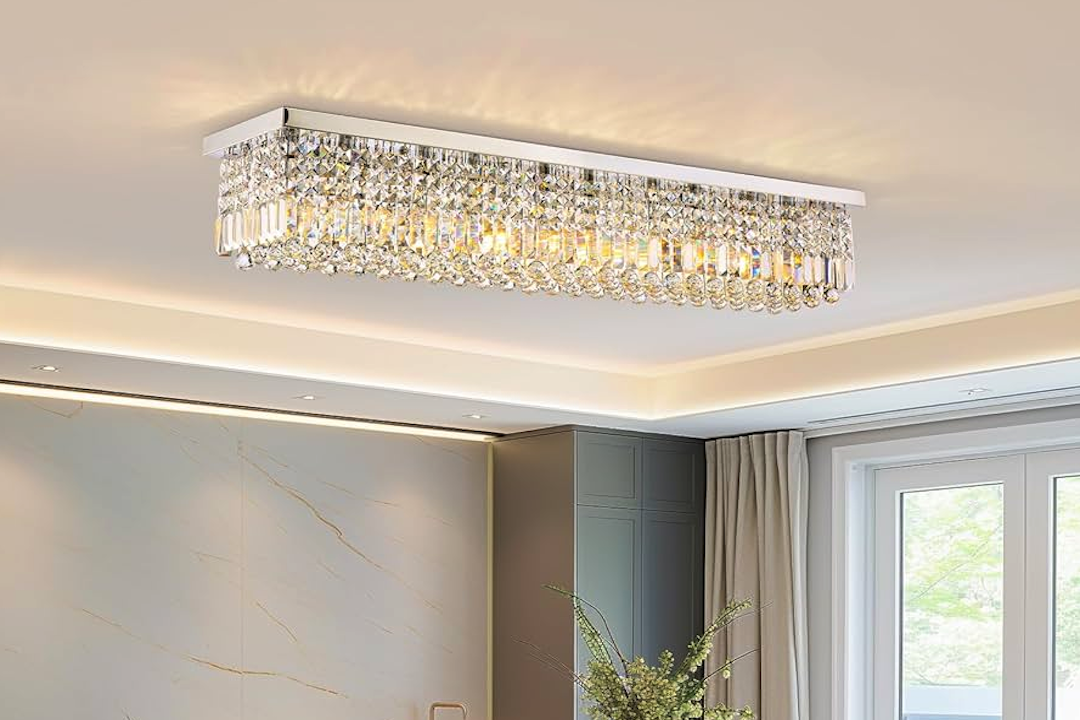
Stunning Geometric Metal Frame Crystal Chandelier for Dining Room
Looking for a chandelier that really makes a statement in your dining room? A geometric metal frame crystal chandelier isn’t just a light source; it’s a piece of art that can beautifully transform your space. These fixtures blend modern design with classic elegance, offering a sophisticated glow that can elevate any mealtime gathering. Imagine the interplay of light and shadow, the sparkle of crystals, and the clean lines of metal – it’s a design choice that adds serious ‘wow’ factor.
You might be wondering why these specific elements work so well together. It’s all about balance and creating visual interest.
The Allure of Geometry
Geometric designs bring a contemporary edge. Think clean lines, sharp angles, and often open, airy forms. This isn’t your grandma’s heavy, ornate chandelier Inzuzu. Instead, it’s a fresh take that feels current and stylish.
- Modern Aesthetic: Geometric shapes instantly signal modern design. They provide structure and a sense of order to a room.
- Visual Interest: The interplay of lines and planes creates dynamic visuals, especially when light hits them.
- Versatility: Geometric frames can range from minimalist squares and rectangles to complex tessellations, allowing for a wide variety of styles.
The Magic of Crystal
Crystals have been a hallmark of luxury lighting for centuries, and for good reason. They do more than just look pretty; they actively enhance the light.
- Sparkle and Refraction: Crystals are designed to catch and refract light, scattering it into a dazzling display of rainbows and bright points across your room. This isn’t just pretty; it makes the room feel brighter and more vibrant.
- Elegance and Glamour: There’s an undeniable sense of luxury that comes with crystal. It elevates the entire atmosphere of your dining area.
- Softening Effect: While the metal frame might be angular, the twinkling crystals can soften the overall look, preventing the fixture from feeling too stark.
Key Design Elements to Consider
When you’re looking at these chandeliers, there are a few core elements that really define their look and feel. Paying attention to these details will help you pick the perfect one for your home.
Frame Material and Finish
The metal frame is the skeleton of the chandelier, and its material and finish dictate a lot about the fixture’s overall style.
- Materials:
- Steel: Often used for its strength and ability to be shaped into intricate designs. Can be powder-coated in various colors.
- Brass/Bronze: Offers a warmer, often more traditional or industrial-chic feel. Can be polished, brushed, or antiqued.
- Iron: Gives a robust, sometimes industrial or rustic appearance. Often seen in darker finishes.
- Finishes:
- Polished Chrome/Nickel: Sleek, reflective, and very modern. Great for adding a contemporary sparkle.
- Brushed Nickel/Brass: A more subdued, matte finish that reduces glare and fingerprints. Offers a softer, often industrial or mid-century modern vibe.
- Matte Black: Very popular for its bold, architectural statement. Creates strong contrast and works well in minimalist or industrial spaces.
- Gold (Polished/Brushed): Adds a touch of glamour and warmth. Can feel luxurious and often complements a slightly more opulent decor.
- Bronze/Oil-Rubbed Bronze: Rustic and earthy, often used in transitional or farmhouse-style settings.
Crystal Type and Cut
Not all crystals are created equal. The type and how they’re cut significantly impact how they interact with light.
- Crystal Types:
- K9 Crystal: A popular choice for its good clarity and sparkle, offering great value.
- Asfour Crystal: Known for its high lead content (or lead-free alternatives that mimic lead crystal’s properties), providing superior fire and brilliance. Often considered a step up from K9.
- Swarovski Crystal: The pinnacle of crystal quality, renowned for its precision cutting, clarity, and exceptional sparkle. These are generally found on higher-end pieces.
- Crystal Cuts:
- Facet Cut: The most common, with multiple flat surfaces that maximize light dispersion and sparkle.
- Prism Cut: Similar to facet but often refers to elongated shapes that create rainbow effects.
- Dropped Pendants/Teardrops: Classic shapes that hang individually, adding movement and elegance.
- Beads/Strands: Smaller, rounded crystals often strung together to create shimmering curtains or accents.
Sizing and Placement: Getting it Right
A stunning chandelier can look out of place if it’s the wrong size or hung incorrectly. This is where practicality really comes into play.
Chandelier Dimensions vs. Room Size
This is a common pitfall. A chandelier that’s too small gets lost; one that’s too big overwhelms.
- Diameter Rule (for round/square tables): Add the length and width of your dining room in feet, and this sum in inches is a good approximation for the ideal chandelier diameter. For example, a 10’x14’ room (24 total feet) would suggest a 24-inch diameter chandelier.
- Length Rule (for rectangular tables): The chandelier’s length should generally be between one-half and two-thirds the length of your dining table. This ensures it looks proportionate without being too dominant or too small.
- Ceiling Height: Taller ceilings can handle larger, more expansive fixtures. Lower ceilings require something more compact to avoid feeling cramped.
Ideal Hanging Height
Getting the height right makes a huge difference in both aesthetics and functionality.
- Above a Dining Table: The bottom of the chandelier should typically hang 30-36 inches above the surface of your dining table. This allows for clear sightlines across the table and prevents people from bumping their heads, while still providing ample light.
- Higher Ceilings: If you have very high ceilings (e.g., 10 feet or more), you might add a few extra inches to the hanging height, but still aim to keep it within the general range above the table. The goal is to illuminate the table effectively without being a visual obstruction.
Lighting and Ambiance
A chandelier’s primary job is to provide light, but how it does that—and what kind of light—is crucial for setting the right mood.
Bulb Type and Brightness
The type of bulbs you use affects both the light quality and energy efficiency.
- LED (Light Emitting Diode): The go-to choice for modern lighting.
- Pros: Highly energy-efficient, long lifespan, available in a wide range of color temperatures and brightness levels. Dimmable options are readily available.
- Cons: Can be more expensive upfront, but savings on energy and replacement bulbs usually make up for it.
- Incandescent/Halogen: Less common now due to energy inefficiency, but some fixtures still use them.
- Pros: Warm, familiar glow.
- Cons: Short lifespan, high energy consumption, produce a lot of heat.
- Color Temperature (Kelvin Scale – K):
- Warm White (2700K-3000K): Creates a cozy, inviting atmosphere. Ideal for dining rooms where you want a relaxed feel.
- Neutral White (3500K-4500K): Brighter, more energetic. Good for tasks but can feel a bit less intimate for dining.
- Cool White/Daylight (5000K-6500K): Very bright, almost blueish. Generally too harsh for a dining room.
The Power of Dimmers
A dimmer switch is often overlooked but it’s an absolute game-changer for dining room lighting.
- Versatile Ambiance: Allows you to adjust the light from bright for tasks or cleaning to a soft, romantic glow for intimate dinners.
- Energy Savings: Dimming lights uses less electricity, extending bulb life and reducing your energy bill.
- Mood Control: Easily adapt your lighting to different occasions and personal preferences throughout the day or evening.
Installation and Maintenance
While we might not be installing it ourselves, understanding the basics ensures a smooth setup and keeps your chandelier sparkling.
Professional Installation Recommended
Unless you’re a certified electrician, it’s really best to leave chandelier installation to the pros.
- Electrical Expertise: Chandeliers involve wiring, circuit loads, and securing heavy fixtures – all of which require proper electrical knowledge and safety precautions.
- Weight Bearing: These fixtures can be heavy. An electrician ensures your junction box and ceiling support can safely hold the weight.
- Optimal Placement: They can also advise on the best placement and hanging height based on your specific room.
Keeping it Sparkling Clean
Crystals and metal frames naturally accumulate dust and fingerprints over time, dulling their shine. Regular, gentle cleaning will keep your chandelier looking its best.
- Dusting: Use a soft, lint-free cloth or a duster with soft bristles (like an ostrich feather duster) for regular dusting. Make sure the chandelier is turned off and cool.
- Crystal Cleaning:
- Gloves: Wear clean cotton gloves to avoid leaving fingerprints.
- Crystal Cleaner: Use a specialized crystal cleaner spray (often available where you buy the chandelier) or a mixture of distilled water and a tiny amount of rubbing alcohol.
- Soft Cloths: Spray the solution onto a soft, lint-free cloth (microfiber works great), then gently wipe each crystal. Avoid spraying directly onto the fixture, as moisture can damage electrical components.
- Drying: Allow crystals to air dry, or carefully buff with a dry, clean cloth for extra shine.
- Frame Cleaning:
- Damp Cloth: For metal frames, a slightly damp cloth with mild soap (if needed) can remove grime.
- Dry Thoroughly: Always dry the metal frame completely to prevent water spots or tarnishing.
- Specific Finishes: For specialized finishes like oil-rubbed bronze, follow the manufacturer’s specific cleaning recommendations to avoid damage.
By understanding these aspects, you’re not just buying a light fixture; you’re investing in a focal point that will bring elegance, character, and brilliant light to your dining room for years to come.