
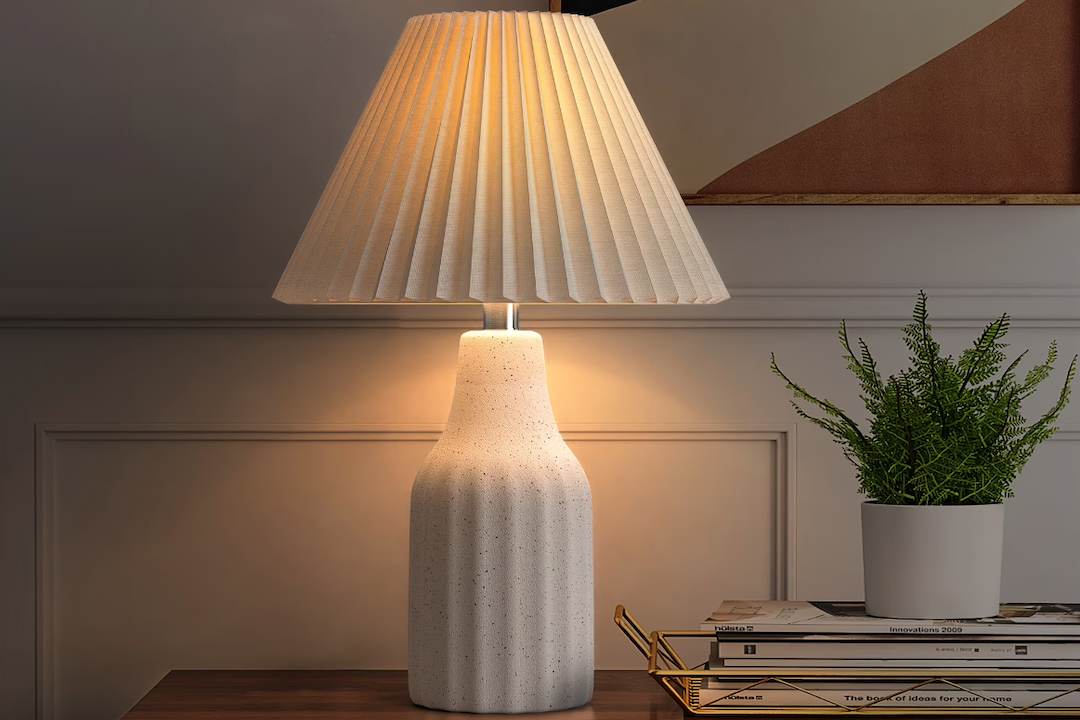
Soft Night Glow: Minimal Glass Table Lamp for Bedside Illumination
If you’re looking to add a touch of understated warmth to your bedside, a minimal glass table lamp offering a soft night glow is a great choice. These lamps are designed with simplicity in mind, using glass as a primary material to diffuse light gently, creating a cozy and unobtrusive illumination perfect for late-night reading or simply winding down. They prioritize function and aesthetic, delivering just enough light without being harsh or overwhelming, making them ideal for bedroom environments where comfort and calm are key.
The phrase “minimal glass” speaks to both the design philosophy and the material choice. It’s about stripping away unnecessary embellishments to focus on the core purpose: lighting Shewarek.
Less is More Design Philosophy
In interior design, minimalism isn’t just about starkness; it’s about intentionality. A minimal glass lamp embraces this by offering clean lines and a straightforward form. There are no distracting patterns or overly ornate bases. The beauty lies in its simplicity. This approach ensures the lamp complements, rather than competes with, your existing bedroom decor. It’s not trying to be the star of the show, but rather a supportive element that enhances the overall atmosphere. Think of it as a quiet collaborator in your bedside setup.
The Magic of Diffused Light
Glass, when used effectively, is excellent at diffusing light. Instead of a direct, harsh beam, a glass shade helps to scatter the light, softening its intensity. This is particularly important in a bedroom setting. You don’t want a spotlight glaring in your eyes when you’re trying to relax. The diffused glow minimizes shadows and creates a more even, comfortable illumination. Different types of glass, from frosted to opal, can achieve varying levels of diffusion, allowing for a tailored lighting experience. It’s about creating a comfortable visual environment.
Key Features to Consider
When you’re sifting through options, certain features will stand out as particularly beneficial for a bedside lamp designed for a soft night glow.
Material Quality and Construction
Not all glass is created equal. The quality of the glass affects both the lamp’s durability and its ability to diffuse light effectively. Look for lamps made with robust, well-finished glass. Issues like air bubbles or imperfections can detract from the aesthetic and light quality. The base material is also important; solid wood, brushed metal, or even a weighted glass base can contribute to stability and overall lamp longevity. You want something that feels substantial and well-made, not flimsy.
Lumens and Kelvin: Understanding Brightness and Warmth
These two terms are crucial when assessing light output.
Lumens: How Bright Is It?
Lumens measure the total amount of visible light emitted by a source. For a soft night glow, you typically want a lower lumen output. Something in the range of 100-400 lumens is often sufficient for reading or navigating the room without fully waking up. Too high, and you lose the “soft night glow” effect. It’s about being functional, not blinding.
Kelvin: The Color Temperature
Kelvin (K) indicates the color temperature of the light. Lower Kelvin values (around 2200K-3000K) produce a warmer, more yellowish light, reminiscent of incandescent bulbs. Higher values (3500K and above) tend to be cooler and whiter, similar to daylight. For a soft night glow, a warm white (2700K-3000K) or even an extra warm white (2200K) is generally preferred. This warmth promotes relaxation and doesn’t disrupt sleep patterns as much as cooler light.
Dimming Capabilities
A lamp without dimming capabilities isn’t truly versatile for bedside use.
Stepless vs. Step Dimming
Stepless dimming allows you to continuously adjust the brightness to any level between minimum and maximum. This offers the most precise control. Step dimming, on the other hand, provides a few pre-set brightness levels (e.g., low, medium, high). While less precise, it can be simpler to operate, especially if you just need a few distinct settings.
Touch vs. Knob Controls
The mechanism for dimming also varies. Touch controls can be very sleek, often integrated directly into the lamp base. A simple tap or press and hold can adjust brightness. Knob controls offer a more tactile experience and can be easier to operate in the dark, providing a physical reference point. Consider which interaction style suits your preference and how you’ll typically be using the lamp.
Placement and Power Considerations
Thinking about where the lamp will sit and how it will get power is just as important as the lamp itself.
Bedside Table Space
Before committing, measure your bedside table. A minimal glass lamp, while often compact, still needs adequate space. Consider the lamp’s footprint and height. You don’t want it to feel cramped or to obstruct access to other items on your table. Taller, slimmer lamps might be better for smaller tables, while wider bases could work on more spacious surfaces. It’s about balance and proportion.
Cord Length and Outlet Access
This is a practical point often overlooked. Ensure the lamp’s power cord is long enough to comfortably reach your nearest electrical outlet without needing an extension cord. If your outlets are awkwardly placed, you might need to factor in a lamp with a longer cord or consider rearranging your furniture slightly. A tidy cord management solution can also help keep your bedside area looking clean and clutter-free.
USB Charging Ports (Optional but Handy)
Some modern bedside lamps integrate USB charging ports. While not strictly part of the “minimal glass” aesthetic, this can be a very convenient feature, reducing the number of power adaptors you need plugged into your wall. If you regularly charge your phone or other devices by your bed, this addition could be a real space-saver and convenience booster. Just make sure it doesn’t compromise the lamp’s primary lighting function or minimalist look.
Aesthetics Beyond the Glow
Even with a minimalist design, there are subtle aesthetic choices that impact the overall look and feel.
Glass Type and Finish
The type of glass used significantly affects how light is diffused and the lamp’s overall appearance.
Frosted Glass for Softness
Frosted glass has a textured, semi-opaque finish that excels at diffusing light. It completely blurs the bulb inside, creating a very even and soft glow. This is often the go-to choice for a truly gentle and ambient light. It also tends to hide dust and fingerprints a bit better than clear glass.
Opal Glass for Even Diffusion
Opal glass is a milky white, opaque glass that provides extremely even and uniform light diffusion. It tends to create a very clean and modern look. The light produced is bright but without harsh hot spots, making it excellent for general ambient lighting. It offers a sophisticated, understated elegance.
Clear Glass with Filament Bulbs (Careful!)
While less common for a “soft night glow,” some minimal glass lamps use clear glass. If opting for clear glass, it’s crucial to select a bulb with a visible, decorative filament and a very low lumen output. The goal isn’t to look directly at a blinding bulb, but to appreciate the aesthetic of the filament itself when dimmed. This is a more specific aesthetic choice and requires more careful bulb selection to maintain the “soft night glow.”
Base Materials and Finishes
The base grounds the lamp, both literally and visually.
Wood for Natural Warmth
A wooden base adds a touch of natural warmth and texture. Oak, walnut, or beech can provide different tones and grain patterns. A simple, cylindrical or block-shaped wooden base maintains the minimalist aesthetic while contributing to a cozy feel.
Metal for Modern Elegance
Brushed brass, matte black, or polished chrome bases can offer a more modern or industrial look. Brushed finishes tend to be less reflective and thus maintain the understated appeal. Metal bases can also be weighted, adding stability to the lamp.
Integrated Glass Bases
Some minimalist designs feature a base made from the same or a complementary type of glass. This creates a seamless, cohesive look where the lamp appears to be a single, flowing form. This can be very sophisticated and truly minimalist.
Maintenance and Bulb Replacement
Even the simplest lamps require a little attention.
Cleaning the Glass
Glass can accumulate dust and fingerprints. For frosted or opal glass, a soft, damp cloth followed by a dry one is usually sufficient. Avoid harsh chemical cleaners, as they can sometimes leave streaks or dull the finish. For clear glass, streak-free cleaning is paramount. Microfiber cloths are excellent for this. Regular, gentle cleaning will keep your lamp looking its best.
Bulb Longevity and Replacement
Modern LED bulbs, which are almost certainly what you’ll be using, have a very long lifespan (tens of thousands of hours). This means you won’t be replacing bulbs often. However, when you do, ensure you replace it with a bulb of the correct base type (e.g., E26, E12) and wattage equivalent to what the lamp is rated for. Pay attention to the Kelvin and Lumen ratings to maintain your desired “soft night glow” effect. Dimmer-compatible LED bulbs are essential if your lamp has dimming capabilities.
Final Thoughts on Choosing Your Lamp
Selecting a minimal glass table lamp for your bedside is about finding a balance between form and function. It’s not just another light source; it’s an intentional piece designed to contribute to a peaceful, comfortable sleep environment. By considering the factors outlined here – from light quality and brightness to material choices and practicalities – you can choose a lamp that genuinely enhances your nightly routine without overwhelming your space. The goal is an unobtrusive light that provides just what you need, when you need it, creating a truly inviting and restful bedside atmosphere.