
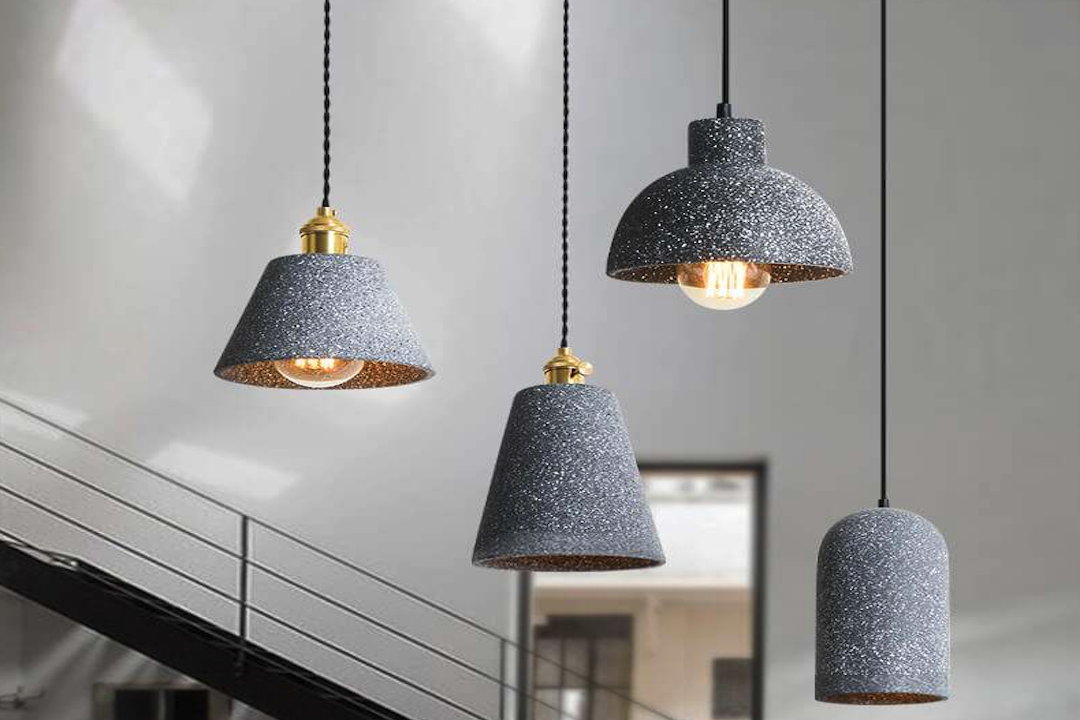
Urban Loft Style: Concrete-Inspired Ceiling Light
Ever wondered how to bring that cool, industrial-chic vibe into your home without a full-blown renovation? A concrete-inspired ceiling light is a fantastic way to do just that. It’s a key element in creating an urban loft aesthetic, offering a blend of raw texture and modern design that can transform a room. This type of lighting isn’t just about illuminating a space; it’s about adding a statement piece that speaks to a certain style – one that’s edgy, sophisticated, and surprisingly versatile.
So, what’s the big deal with concrete? It’s not just for sidewalks anymore. The raw, unassuming nature of concrete has found its way into interior design, and for good reason. It offers a unique aesthetic that’s both modern and timeless.
Why Concrete? The Unconventional Beauty
Initially, concrete might seem like an odd choice for home décor. It’s often associated with construction sites and robust structures. However, its understated elegance and earthy tones are what make it so appealing. It’s about celebrating imperfection and the beauty in utilitarian materials.
- Texture: The inherent texture of concrete, from its subtle variations to its sometimes rougher feel, adds depth and character to a space. It breaks away from smooth, polished surfaces, offering something more tactile.
- Neutrality: Concrete’s natural grey palette is incredibly versatile. It acts as a perfect backdrop for other colors and materials, allowing them to pop without competing for attention. This neutrality provides a calming, grounding effect.
- Durability and Longevity: While we’re talking about inspired designs rather than solid concrete lights Shewarek, the idea of concrete carries with it a sense of permanence and strength. This translates into designs that feel robust and long-lasting.
Loft Living: The Architectural Muse
The urban loft style is deeply rooted in repurposed industrial buildings – old factories, warehouses, and commercial spaces converted into residential dwellings. These spaces often feature exposed brick, visible ductwork, large windows, and, you guessed it, raw concrete elements.
- Openness and Airiness: Lofts are known for their expansive, open-plan layouts and high ceilings. Concrete-inspired lighting complements this by often having a scaled-up presence that can hold its own in such large volumes.
- Industrial Edge: The aesthetic is about celebrating the building’s original purpose. Concrete, whether real or replicated, is a nod to this industrial heritage, adding authenticity to the design.
- Minimalism with Character: While lofts can often feel minimal due to their spaciousness, the industrial elements, including concrete, prevent them from feeling sterile. They inject a sense of history and character.
Decoding Concrete-Inspired Lighting
When we talk about “concrete-inspired” ceiling lights, we’re not always referring to a fixture made from solid, poured concrete. Often, it’s about replicating that look and feel using various materials and techniques.
Materials and Finishes: Beyond Just Concrete
Designers use a clever mix of materials to achieve the concrete aesthetic without the inherent weight and logistical challenges of solid concrete.
- Faux Concrete Finishes: This is a popular approach. Resin, plaster, or even specially formulated paints can be applied to lightweight materials like fiberglass, metal, or wood to mimic the look and texture of concrete. This allows for more intricate shapes and easier installation.
- Concrete Composites: Some fixtures do incorporate real concrete, but often blended with other materials to create a lighter, stronger, and more flexible composite. This retains more of the authentic feel while being more practical.
- Metallic Finishes: Sometimes, a slightly muted, brushed, or patinated metal can evoke a similar industrial feel, especially when combined with a minimalist, geometric form. Think aged steel or a dark bronze with a matte finish.
Forms and Shapes: The Industrial Silhouette
Concrete-inspired lighting often favors clean lines, geometric forms, and a robust presence. The design is less about elaborate ornamentation and more about the inherent beauty of the material and its form.
- Pendant Lights: These are arguably the most common and impactful in the concrete-inspired category. From single large domes to clusters of smaller, angular shades, pendants offer a direct and focused light source, perfect for over kitchen islands, dining tables, or in groups in a large living space.
- Flush Mounts and Semi-Flush Mounts: For areas with lower ceilings or where a more subdued look is desired, concrete-look flush mount fixtures provide ambient lighting without overwhelming the space. They often feature simple, circular or square shapes.
- Chandeliers and Multi-Light Fixtures: Larger, more complex fixtures with multiple “concrete” shades or elements can create a grand statement in a double-height living room or an expansive loft space. These often play with linear arrangements or clustered designs.
Integrating Concrete-Inspired Lights into Your Home
Now that we understand the ‘what,’ let’s get into the ‘how.’ Placing these lights effectively involves considering your room’s existing style, function, and overall aesthetic.
Placement Spotlight: Where They Shine Brightest
Strategic placement is key to maximizing the visual impact and functionality of your concrete-inspired ceiling light.
- Kitchen Islands and Dining Areas: This is a natural fit. A row of concrete-look pendant lights over an island or a large fixture above a dining table can define the space, provide task lighting, and anchor the room with an industrial touch. The neutral tone of the concrete allows colorful dishes or décor to stand out.
- Living Rooms with High Ceilings: In expansive living areas, especially those with high ceilings often found in true lofts, a substantial concrete-inspired piece can fill the vertical space without feeling heavy. Consider multi-light fixtures or oversized pendants that draw the eye upwards.
- Bedrooms (Subtle Touches): For a bedroom, you might opt for a smaller, more understated concrete-inspired flush mount or even a pair of bedside pendants. It brings that urban edge without making the sleeping space feel too stark. The key is to balance the industrial feel with softer textiles and colors.
- Entryways and Hallways: A single, well-chosen concrete pendant in an entryway can make a powerful first impression, setting the tone for the rest of your home’s style. In longer hallways, a series of smaller, identical fixtures can create a sense of rhythm and guide the eye.
Pairing with Other Materials: The Harmony of Opposites
One of the strengths of concrete-inspired design is its ability to complement a wide range of other materials. It’s about creating contrasts that enhance each other.
- Warm Woods: The cool, earthy tone of concrete pairs beautifully with the warmth of natural wood. Think reclaimed wood furniture, timber beams, or oak flooring. The contrast creates a balanced and inviting atmosphere.
- Exposed Metals: To lean into the industrial look, combine your concrete-inspired light with other metallic elements like black steel, aged brass, or copper. This can be seen in furniture legs, shelving units, or other light fixtures within the same space.
- Soft Textiles: To prevent a concrete-heavy space from feeling cold or austere, introduce plush rugs, velvet upholstery, linen curtains, or knitted throws. These soft textures provide a much-needed counterpoint, adding comfort and warmth.
- Greenery: Plants, whether large floor plants or smaller potted varieties, bring life and a touch of nature into an urban, industrial setting. Their organic forms and vibrant greens offer a refreshing contrast to the hard surfaces and monochromatic palette.
Practical Considerations for Selection
Beyond aesthetics, there are practical aspects to consider when choosing your concrete-inspired ceiling light.
Sizing and Scale: Don’t Go Too Big or Too Small
Getting the right size is crucial for the light fixture to look proportionate and function effectively in your space.
- Room Dimensions: A good rule of thumb is to measure the length and width of your room in feet, add those numbers together, and that sum in inches roughly represents the ideal diameter for a main light fixture in that room. For a 10’x12’ room, a 22-inch diameter fixture would be a good starting point.
- Ceiling Height: For lower ceilings (8-9 feet), flush mounts or semi-flush mounts might be more appropriate. For higher ceilings, you have more leeway with longer pendants and larger fixtures that can fill more vertical space. Ensure pendants are hung at a comfortable height – typically 30-36 inches above a dining table or island countertop.
- Visual Weight: Concrete-inspired fixtures often have a strong visual presence. Consider how much other “heavy” furniture you have in the room. You want the light to make a statement without overwhelming the space.
Light Output and Bulbs: More Than Just Brightness
The type of light emitted is just as important as the fixture itself.
- Lumen Output: Don’t just look at wattage; focus on lumens, which indicate the true brightness of a bulb. Consider the size of your room and its function. A kitchen needs more lumens (brighter light) than a cozy bedroom.
- Color Temperature (Kelvin): This determines the “warmth” or “coolness” of the light.
- Warm White (2700K-3000K): Creates a cozy, inviting ambiance, often preferred in living rooms and bedrooms.
- Neutral White (3500K-4000K): Good for general task lighting, suitable for kitchens and home offices, offering a balance between warm and cool.
- Cool White/Daylight (5000K-6500K): Bright and invigorating, often used in task-oriented areas where precision is needed, though can feel stark in residential settings. For concrete-inspired fixtures, a neutral to warm white often complements the material best.
- Dimmable Options: Always a good idea. Dimmers allow you to adjust the light intensity to suit different moods and activities, adding versatility to your lighting scheme. Look for fixtures and bulbs that are compatible with dimmers.
Maintaining Your Urban Loft Aesthetic
Once you’ve installed your carefully chosen concrete-inspired ceiling light, a few quick tips will help you maintain that desired urban look throughout your home.
Cleaning and Care: Keeping it Pristine
While concrete-inspired fixtures often have a durable finish, a little routine care goes a long way.
- Dusting: Regular dusting with a soft, dry cloth or a duster will prevent buildup.
- Light Cleaning: For more stubborn marks, a damp cloth with a mild, non-abrasive cleaner (if recommended by the manufacturer) can be used. Always test a small, inconspicuous area first.
- Avoid Harsh Chemicals: Abrasive cleaners or solvents can damage the finish, especially on faux concrete surfaces. Stick to gentle cleaning methods.
Complementary Decor: Pulling the Look Together
Your ceiling light is a focal point, but it’s part of a larger picture. Consider how other elements contribute to the urban loft vibe.
- Exposed Elements: If possible, consider exposed brick walls, visible metal piping, or ductwork. If not, even a carefully placed metal shelf or a piece of industrial-style furniture can evoke the same feeling.
- Minimalist Furniture: Opt for furniture with clean lines and simple forms. Avoid overly ornate or fussy pieces that would clash with the industrial aesthetic.
- Artwork: Abstract art, black and white photography, or large-scale graphic prints can complement the modern and raw appeal of concrete-inspired lighting.
- Thoughtful Accessories: Don’t clutter your space. Choose a few well-curated accessories like a raw wood bowl, a unique ceramic vase, or a sculptural object that enhances the overall aesthetic.
Embracing a concrete-inspired ceiling light is more than just selecting a fixture; it’s about making a deliberate design choice that anchors your urban loft style. It’s about appreciating the raw, the textured, and the understated as elements of enduring beauty. When chosen thoughtfully, these lights don’t just illuminate your home; they define its character, creating a space that feels both cutting-edge and comfortably lived-in.