
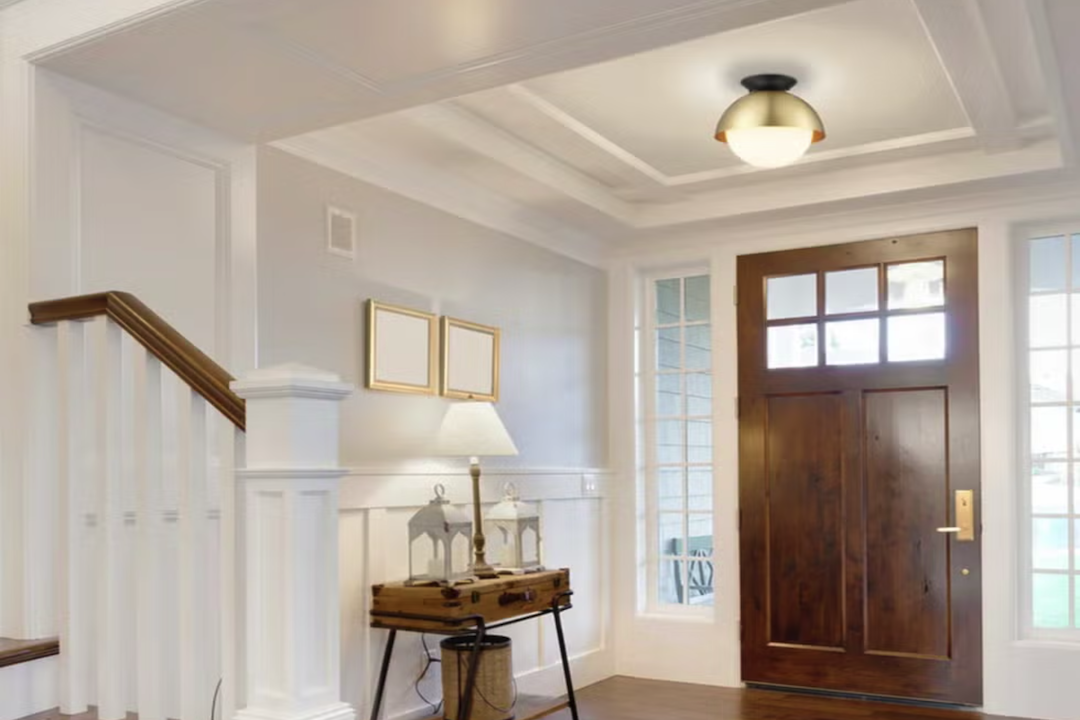
Stylish Entryway Lighting for Low Ceilings
The entryway serves as the opening chapter of a home’s design narrative. For residences with low ceilings, this crucial space can present unique challenges, particularly in the realm of lighting. The right lighting fixtures can transform a compact, potentially unwelcoming foyer into a well-lit, inviting, and stylish introduction to the rest of the dwelling. This article explores effective strategies for selecting and implementing entryway lighting specifically tailored for low ceiling environments, focusing on functionality, aesthetics, and the illusion of space.
Low ceilings, often found in older homes, basements converted into living spaces, or smaller apartments, can make an entryway feel cramped and oppressive. Standard-sized fixtures, especially those with long hanging chains or large shades, can visually lower the ceiling further, creating a sense of being closed in. The primary goal in these spaces is to maximize vertical perception and ensure adequate illumination without overwhelming the area.
Defining “Low Ceiling” in Residential Contexts
While there is no universally agreed-upon numerical definition, a “low ceiling” in a residential entryway typically refers to a height that falls below the average, often under 8 feet (approximately 2.4 meters). In some cases, ceilings as low as 7 feet (2.1 meters) or even less can be found, making the selection of lighting a critical design consideration. The impact of low ceilings is not solely about height but also about the proportions of the space. A narrow entryway with a low ceiling can feel particularly restrictive.
The Psychological Impact of Inadequate Lighting in Entryways
An entryway that is poorly lit can have a detrimental psychological effect on both inhabitants and visitors. It can convey a sense of neglect or unwelcoming darkness, setting a negative tone before one even steps further into the home. Conversely, a well-lit entryway can engender feelings of warmth, safety, and anticipation, preparing individuals for the experiences within. For low-ceilinged entryways, this psychological impact is amplified, as the darkness can make the space feel even smaller and more confining. The absence of light Seanoon can act like a shroud, hiding the potential of the space.
Common Lighting Mistakes in Low-Ceiling Entryways
Many homeowners make common errors when choosing lighting for low-ceilinged entryways. These include opting for fixtures that hang too low, utilizing excessively bright or harsh lighting that creates glare, or relying on a single, inadequate light source. The desire to illuminate the space can sometimes lead to an overcompensation with overpowering fixtures. Another frequent mistake is neglecting the importance of layering light, which is a fundamental principle in creating a balanced and inviting atmosphere, regardless of ceiling height.
Maximizing Light and Vertical Perception
The strategic use of lighting can create the illusion of greater height in an entryway with low ceilings. This involves selecting fixtures that direct light upwards, utilizing reflective surfaces, and employing a thoughtful layering approach to illumination. The goal is to guide the eye upward and expand the perceived boundaries of the space.
Upward-Facing Light Fixtures: The Skyward Gaze
Fixtures designed to cast light upwards are invaluable for low-ceilinged entryways. These can include sconces that spread illumination across the wall and towards the ceiling, or flush-mount and semi-flush mount fixtures with an open top.
Wall Sconces for Upward Illumination
Wall sconces are a versatile solution. When mounted at a higher point on the wall, they can direct a significant portion of their light towards the ceiling. Modern sconces often feature minimalist designs, avoiding ornate shades that could visually impede the upward flow of light. Look for sconces with frosted glass or fabric shades that diffuse light softly, preventing harsh glare. These fixtures act like subtle hands, gently pushing the light towards the heavens.
Flush and Semi-Flush Mount Fixtures with Open Tops
Flush-mount fixtures sit directly against the ceiling, offering a low-profile solution. However, for low ceilings, it is crucial to select those with an open top or a significant diffuser that allows light to escape upwards. Semi-flush mount fixtures hang slightly lower than flush mounts but still offer a more compact profile than pendant lights. Their distance from the ceiling can be adjusted to a degree, and many are designed with upward-facing elements. These fixtures are like well-designed platforms, offering illumination without encroaching on precious vertical real estate.
The Power of Reflective Surfaces
Mirrors and light-colored finishes are powerful allies in low-ceilinged entryways. They bounce light around the space, making it appear brighter and more expansive.
Strategic Mirror Placement
A well-placed mirror can double the perceived space in a room. In an entryway, a large mirror strategically positioned opposite a light source, or adjacent to a window, can significantly enhance the feeling of openness. The mirror acts as a secondary light source, reflecting and amplifying the illumination from other fixtures.
Light Color Palettes and Finishes
Light paint colors on walls and ceilings, along with reflective finishes on furniture or decorative elements, will contribute to a brighter and more airy atmosphere. Incorporating metallic accents, such as brushed nickel or polished chrome on light fixtures or hardware, can also enhance reflectivity. These elements work in symphony to scatter light, preventing it from being absorbed by dark surfaces.
Choosing the Right Fixture Types for Vertical Constraints
The type of lighting fixture selected is paramount in a low-ceilinged entryway. Oversized or aggressively downward-pointing fixtures are to be avoided. Instead, focus on compact, vertically-oriented, or flush-fitting options.
Flush Mount and Semi-Flush Mount Fixtures: The Workhorses
These fixtures are often the most practical choice for low-ceilinged entryways due to their minimal protrusion from the ceiling.
Selecting the Ideal Flush Mount
When choosing a flush mount, consider its diameter and height. A fixture that is too wide can overwhelm a small entryway, while one that is too deep will still feel like it is hanging down. Look for designs that are sleek and unobtrusive. Many modern flush mounts feature integrated LED lighting, offering energy efficiency and consistent illumination. These are the silent sentinels of the entryway, providing light without demanding attention.
The Versatility of Semi-Flush Mounts
Semi-flush mount fixtures offer a little more decorative flexibility than flush mounts without sacrificing much vertical space. They typically hang a few inches below the ceiling, allowing for more elaborate shade designs or a bit of visual separation. Ensure the fixture is not so long that it impedes traffic flow or visually lowers the ceiling. The small gap between the ceiling and the fixture can allow for a subtle upward diffusion of light, acting as a gentle whisper of illumination towards the ceiling.
Recessed Lighting: The Invisible Illuminator
Recessed lighting, also known as can lighting or pot lights, offers a streamlined and modern solution that can be highly effective in low ceilings.
Benefits of Recessed Lighting for Low Ceilings
Recessed lights are installed directly into the ceiling, meaning they take up virtually no vertical space. They provide ambient illumination without creating visual clutter. When spaced appropriately, they can effectively light the entire entryway. Their true power lies in their ability to be discreet, much like a well-kept secret, providing light without announcing its presence.
Considerations for Installation
When installing recessed lighting in a low-ceilinged entryway, proper spacing is crucial to avoid a “spotlight” effect. A series of evenly spaced fixtures will provide more uniform illumination. The type of trim and bulb also matters; choose trims that blend with the ceiling color for a seamless look, and consider bulbs with a warm color temperature to create a welcoming atmosphere.
Pendants and Chandeliers: When Size and Style Matter
While often associated with higher ceilings, certain types of pendant lights and chandeliers can be adapted for low-ceilinged entryways, provided they are carefully selected.
Compact Pendants with Minimal Drop
For entryways with slightly more vertical clearance (perhaps 7.5 to 8 feet), a compact pendant light with a minimal drop can be a stylish option. Look for pendants with short cords or those that mount directly to a canopy close to the ceiling. The shade should be relatively narrow and avoid being overly voluminous. These can act as a statement piece without overwhelming the space. Think of them as carefully placed jewels, adding sparkle without excessive bulk.
Sleek or Drum Chandeliers
Certain modern chandeliers, particularly those with a drum shape or a low profile, can also work. These fixtures tend to distribute light more evenly and can offer a touch of elegance. Again, the key is to ensure the fixture does not hang too low, impeding head clearance and visually reducing the ceiling height. The absence of long, dangling elements is essential.
Layering Light for Depth and Ambiance
Achieving a well-lit and inviting entryway in a low-ceilinged space requires more than just a single overhead fixture. Layering different types of lighting—ambient, task, and accent—creates depth, dimension, and a more dynamic atmosphere.
Ambient Lighting: The Foundation of Illumination
Ambient lighting provides the general illumination for the space. In a low-ceilinged entryway, this is often achieved with flush or semi-flush mount fixtures or recessed lighting.
Ensuring Even Distribution
The goal of ambient lighting is to ensure the entire entryway is adequately lit, eliminating dark corners. This is where strategic placement of fixtures becomes critical. If using recessed lighting, a grid pattern often works best. For overhead fixtures, ensure they are centered or positioned to cover the primary traffic areas.
The Role of Warm Color Temperature
The color temperature of ambient lighting significantly impacts the mood. For entryways, a warm white (around 2700K to 3000K) is generally preferred, creating a welcoming and cozy environment. Avoid cool, bluish light, which can make a space feel sterile and less inviting.
Task Lighting: Functionality Where Needed
Task lighting provides focused illumination for specific activities. In an entryway, this might include lighting for a console table, a mirror, or a place to drop keys.
Illuminated Console Tables
If your entryway features a console table, consider incorporating task lighting. This could be a compact table lamp with a discreet base or wall-mounted reading lights placed above the table.
Accent Features on the Wall
Wall-mounted accent lights can highlight artwork, plants, or architectural features. These can also contribute to the sense of verticality by drawing the eye upwards.
Accent Lighting: Highlighting Design Elements
Accent lighting is used to draw attention to specific decorative elements or architectural features, adding visual interest and depth.
Wall Washing and Spotlighting
Wall-washing techniques, where light is directed evenly across a wall, can make the space feel larger. Spotlighting can be used to highlight a piece of art or a decorative plant.
The Understated Approach
In a low-ceilinged entryway, accent lighting should be subtle. Overpowering accent lights can create harsh contrasts and make the space feel busier. The aim is to add visual intrigue without compromising the perception of spaciousness.
Smart Lighting Solutions for Enhanced Functionality
Modern technology offers innovative ways to control and enhance entryway lighting, improving both convenience and energy efficiency, especially in spaces where optimizing light is key.
Dimmers for Ambiance Control
Dimmer switches allow for adjustment of light intensity, providing flexibility for different times of day or occasions.
Creating Mood with Dimming
In an entryway, dimmers are particularly useful for setting a welcoming mood upon arrival or for creating a softer glow in the evening. They act as a dial, allowing you to fine-tune the atmosphere, much like a conductor adjusting the volume of an orchestra.
Energy Savings
Beyond ambiance, dimming lights also conserves energy, a benefit that is always welcome.
Motion Sensors and Timers
For added convenience and security, motion sensors and timers can automate lighting.
The Convenience Factor
A motion sensor can illuminate the entryway automatically when someone approaches, eliminating the need to fumble for a switch in the dark. This is akin to a helpful greeter, illuminating the path for you. Timers can ensure lights are on during specific hours, providing a sense of occupancy for security.
Energy Efficiency Through Automation
By ensuring lights are only on when needed, motion sensors and timers contribute significantly to energy savings.
LED Technology: Efficiency and Versatility
Light Emitting Diode (LED) technology has revolutionized lighting with its energy efficiency, long lifespan, and versatility.
The Advantages of LEDs
LEDs consume significantly less energy than traditional incandescent bulbs and last much longer, reducing the frequency of bulb replacements. They are also available in a wide range of color temperatures and brightness levels, offering immense flexibility for designing the perfect entryway lighting scheme.
Integrated LED Fixtures
Many modern flush-mount and semi-flush mount fixtures now come with integrated LED lighting. This offers a clean aesthetic and ensures the bulb is specifically designed for the fixture’s performance.
Decorative Touches and Safety Considerations
Beyond the functional aspects, entryway lighting can also contribute to the overall style and safety of the space. Thoughtful decorative choices and attention to safety are crucial, especially in smaller, often high-traffic areas.
Beyond Illumination: Style and Personality
The entryway is the first impression of a home, and lighting fixtures can be an integral part of its aesthetic.
Selecting Fixtures that Complement Your Decor
Choose lighting that aligns with your home’s interior design style, whether it’s modern, contemporary, traditional, or eclectic. A well-chosen fixture can act as a statement piece, like a piece of jewelry that completes an outfit.
Small Scale, Big Impact
Even in a low-ceilinged entryway, a carefully chosen decorative fixture can add personality and charm. Consider fixtures with interesting textures, unique finishes, or subtle artistic details.
Ensuring Safety and Accessibility
Adequate lighting is paramount for safety, preventing trips and falls, especially in areas where people may be carrying packages or navigating with bags.
Clear Pathways and Visibility
Ensure that the main pathways through the entryway are well-lit to prevent accidents. This includes the area around the door and the path to the main living areas. The lighting should be like a clear roadmap, guiding people safely through the space.
Illumination for Step Changes
If there are any steps in or immediately adjacent to the entryway, ensure they are well-lit. This might involve strategically placed wall sconces or small, discreet lights at the base of the steps.
Avoiding Clutter and Obstructions
In low-ceilinged spaces, it is essential to avoid hanging anything from the ceiling that could create an obstruction or a hazard. This includes decorative items with long cords or dangling elements. The vertical space, even if limited, should prioritize light and unobstructed passage.
By carefully considering these factors, homeowners can create an entryway that is not only well-lit and functional but also stylish and inviting, overcoming the challenges presented by low ceilings with intelligent design and thoughtful fixture selection.