
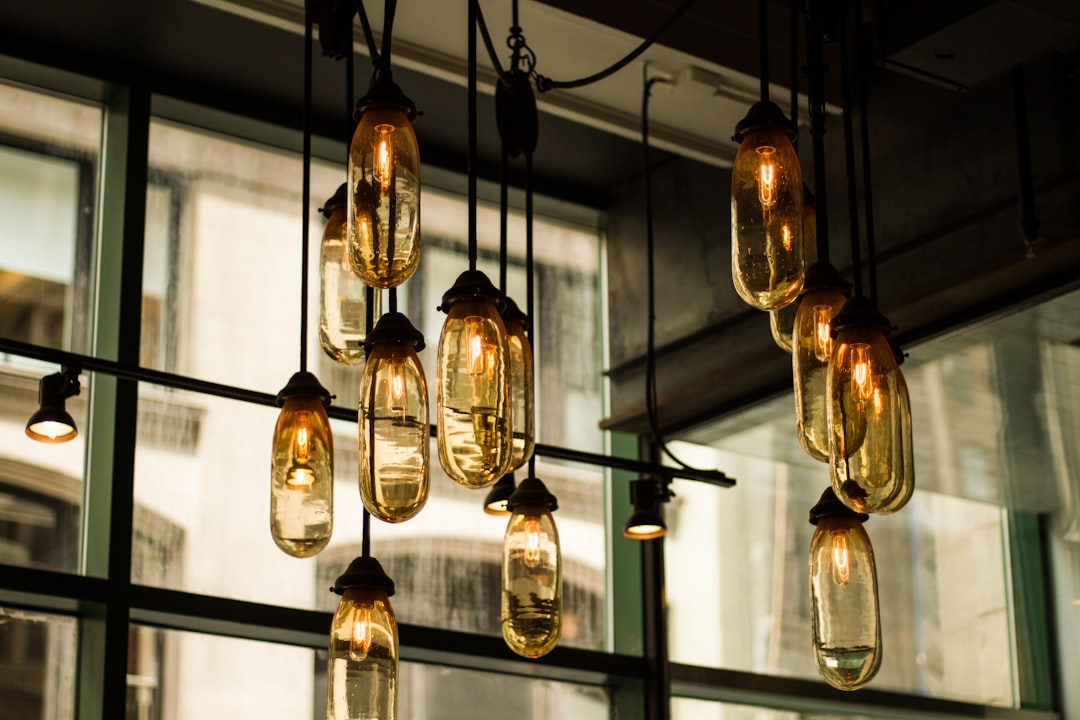
Brilliant Open Plan Lighting Ideas for Kitchen and Sofa Zones
When you’re blending your kitchen and living space into one open-plan layout, lighting becomes a superpower. It’s not just about seeing; it’s about defining zones, creating atmosphere, and making your home feel cohesive and functional. So, how do you light an open plan kitchen and sofa zone brilliantly? The key is layering different types of light to serve specific purposes for each area.
Think of ambient lighting as the gentle hum that fills the entire room. It’s the base layer, ensuring you can move around safely and comfortably at any time of day. Without it, your open plan space can feel dim and unwelcoming, even with task or accent lights.
Ceiling Lights: The Backbone of Your Glow
These are your primary overhead sources. The trick is to choose fixtures that provide even illumination without harsh shadows.
Recessed Downlights: The Invisible Workhorses
These are a popular choice for a reason. When installed strategically, they wash the space with light without being visually distracting.
- Placement is Key: Don’t just dot them randomly. Plan them in a grid or along key walkways. For the kitchen, focus them over countertops and the island. In the sofa zone, space them to provide general illumination without directly shining into people’s eyes when they’re seated.
- Beam Angle Matters: A wider beam angle spreads light more broadly, perfect for general coverage. A narrower beam can be used for more targeted areas, but for ambient, go wider.
- Dimmable is Non-Negotiable: This is crucial for an open-plan space. Being able to dial down the brightness instantly shifts the mood from functional task lighting to cozy relaxation. Imagine cooking under bright lights and then dimming them for movie night – huge difference.
- Consider Color Temperature: Aim for a warm white (around 2700K-3000K) for a cozy, inviting feel that blends well between the kitchen and living areas. Avoid cooler blues unless you’re specifically aiming for a very modern, crisp look, which can sometimes feel stark in a living space.
Flush Mount or Semi-Flush Mount Fixtures: A Statement Piece
If recessed lights aren’t your style or if you have lower ceilings, these fixtures are a great alternative. They offer a softer, more diffused light.
- Style Harmony: Choose designs that complement both your kitchen and living room aesthetics. A modern drum pendant might work, or a more classic glass fixture.
- Diffusion is Your Friend: Look for frosted glass or fabric shades that help spread the light evenly and reduce glare.
- Size Appropriately: Don’t overwhelm the space with a fixture that’s too large, but ensure it’s substantial enough to provide adequate light.
Cove Lighting: The Subtle Sophistication
This is a more advanced technique, but incredibly effective for creating a seamless and luxurious ambiance. Lights are hidden within architectural details, like coving or ceiling coves, and the light is bounced off the ceiling or walls.
- Soft, Indirect Glow: Cove lighting provides a beautiful, diffused light that makes the ceiling appear to float and the room feel larger and more serene.
- Excellent for Mood: It’s perfect for creating a relaxed atmosphere in the sofa zone without any direct glare.
- Requires Planning: This is best integrated during renovation or build. Think about where you can hide the LED strips.
Task Lighting: Precision Where You Need It Most
This is the functional lighting that allows you to perform specific tasks without strain. In an open-plan layout, it’s essential to define these areas clearly.
Kitchen Task Lighting: The Heart of the Operation
This is where functionality is paramount. You need bright, focused light for chopping, cooking, and cleaning.
Under-Cabinet Lighting: The Underrated Hero
This is arguably the most important task lighting in the kitchen. It illuminates your countertops directly, eliminating shadows cast by overhead cabinets.
- Types to Consider: LED strips are the most popular, offering flexibility and energy efficiency. Puck lights are another option, good for focused spots.
- Placement is Everything: Ensure the lights are positioned so they don’t shine directly into your eyes from your seated position in the living area, but effectively light the entire counter surface.
- Warmth for a Blend: Again, opt for a warm white to avoid making the kitchen feel like a sterile laboratory, especially when it’s adjacent to your cozy sofa zone.
- Connect to Dimmer Controls: If possible, connect these to a dimmer switch or even a separate zone control so you can dim them down when not actively cooking but still want some illumination.
Island Pendants: The Dual-Purpose Powerhouses
Kitchen islands are often the central hub of open-plan living, and pendants above them serve a dual purpose: task lighting for prep work and a visual anchor that defines the kitchen zone.
- Height is Crucial: Hang them at the right height – typically 30-36 inches above the countertop. Too high, and they won’t be effective task lights; too low, and they become a head-bumping hazard.
- Consider the Spread: Choose pendants that provide a good spread of light over the island surface.
- Style Cohesion: Select pendants that complement your kitchen’s style but can also bridge the gap to your living room decor. They can act as a visual transition.
- Beam Direction: Look for pendants with a downward beam to focus light on the work surface. Some also have upward light, which can contribute to ambient lighting.
Over-Sink Lighting: Cleanliness and Clarity
Don’t forget the sink area. Good lighting here makes washing up and food prep much easier and safer.
- Recessed or Dedicated Fixture: A small recessed downlight or a slim fixture mounted above the sink works well.
- Waterproof Considerations: Ensure any fixture used directly over the sink area is rated for damp locations.
Sofa Zone Task Lighting: Comfort and Focus
While the sofa zone is primarily about relaxation, there are still times when you need focused light.
Reading Lamps: For Cozy Corners
Every sofa zone needs a dedicated reading light.
- Floor Lamps: These are versatile. Choose one with an adjustable arm to direct light precisely where you need it for reading a book or working on a laptop.
- Table Lamps: Place these on side tables next to sofas or chairs. They provide a softer, more localized pool of light.
- Consider the Shade: Opaque shades direct light downwards, perfect for reading. Translucent shades cast a softer glow.
Integrated Desk Lighting (if applicable):
If your open-plan space includes a small desk area, ensure it has adequate task lighting.
- Desk Lamps: A classic choice, easily repositioned.
- LED Strips under Shelves: If you have shelving above a desk, consider adding LED strips for focused illumination.
Accent Lighting: Highlighting Features and Creating Ambiance
Accent lighting is about adding depth, drama, and personality to your space. It draws the eye to specific elements and creates a mood.
Showcasing Your Style: Points of Interest
Accent lighting is where you can really let your personality shine through.
Artwork and Shelving Illumination:
- Picture Lights: Dedicated lights mounted above artwork.
- Track Lighting: Adjustable spotlights that can be aimed at specific pieces of art or features.
- Small Spotlights: Discreet fixtures that can be recessed or surface-mounted to highlight shelves, decorative objects, or architectural features.
- LED Strips on Shelves: Adding strips to the underside of shelves can beautifully illuminate items displayed on them.
Architectural Features:
- Uplighting: Position fixtures at the base of a textured wall or a column to highlight its form and create dramatic shadows.
- Backlighting: Consider backlighting a translucent material or a feature wall for a soft, diffused glow.
Creating Ambiance: Mood Setting
This is where you can truly transform the feel of your open-plan space.
Statement Light Fixtures: The Crown Jewels
While some fixtures are purely functional, others are designed to be decorative focal points.
- Pendant Lights over a Dining Area: If you have a dining space within your open plan, a stylish pendant light here can act as both task lighting for the table and a beautiful design element.
- Chandelier in the Sofa Zone: A well-chosen chandelier can add a touch of glamour and provide ambient light, even if it’s on a dimmer. Ensure its style complements both zones.
Smart Lighting and Color-Changing LEDs:
This is where technology meets creativity.
- Mood Control: Smart bulbs and systems allow you to change color temperature, brightness, and even color from your phone or voice assistant. This is incredibly useful for an open-plan space where you might want a bright, energizing kitchen light, and then a warm, inviting glow for the living area.
- Scene Setting: Create pre-set lighting scenes for different activities: “Cooking,” “Relaxing,” “Movie Night,” “Entertaining.” This allows for instant ambiance shifts.
- Integration: Consider systems that can integrate lighting with other smart home devices for a truly seamless experience.
Layering and Zoning: The Art of Balance
The magic of brilliant open-plan lighting lies in the way you combine different types of light and control them independently.
The Multi-Layered Approach: More is More (When Done Right)
Don’t rely on just one type of lighting. A successful open-plan scheme uses a combination of ambient, task, and accent lighting.
- Ambient for Base: Always start with good overall ambient lighting.
- Task for Function: Layer in task lighting where needed – kitchen counters, reading nooks.
- Accent for Interest: Use accent lighting to highlight features and create atmosphere.
Independent Controls: Your Mood-Setting Power
This is non-negotiable for an open-plan space. Each lighting type and potentially each zone should have its own controls.
- Dimmers, Dimmers, Dimmers: I can’t stress this enough. Dimmers are your best friend. They allow you to adjust the intensity of your ambient and task lighting to suit the time of day and activity.
- Separate Switches: Have separate switches for your kitchen task lights, your sofa zone reading lights, and your accent lighting.
- Smart Home Integration: This offers the ultimate in control, allowing you to manage everything from one app or voice command. You can even set schedules for lights to turn on and off automatically.
- Zoning: Think about dividing your lighting controls into logical zones. For example, one set of controls for the kitchen area, another for the main living area.
Bridging the Gap: Visual Harmony
The lighting should help to seamlessly connect the kitchen and sofa zones, rather than making them feel like two separate, jarring spaces.
- Consistent Color Temperature: Try to use consistent color temperatures for your ambient lighting across both zones. This creates a unified feel.
- Complementary Styles: Choose light fixtures that have a style that can work in both areas, or at least a style that bridges the gap. A modern pendant might work over a kitchen island, and a similar style of lamp could be used in the living area.
- Visual Flow: Use lighting to guide the eye. For example, a line of downlights could lead from the kitchen to the living area, or accent lighting could highlight a walkway.
Smart Lighting Solutions for Open Plan Living
The advent of smart lighting has revolutionized how we approach home illumination, and it’s particularly beneficial for open-plan layouts.
Seamless Control and Customization:
- App and Voice Control: Adjust brightness, color temperature, and even color remotely via smartphone apps or voice assistants like Alexa, Google Assistant, or Siri. This is incredibly convenient for an open-plan space where you might be in the kitchen and want to dim the sofa zone lights for a movie.
- Scheduling: Set lights to turn on or off automatically at specific times. Imagine your kitchen lights coming on softly in the morning, and your sofa zone lights gradually dimming in the evening.
- Scene Creation: This is a game-changer. Create “scenes” for different moods or activities. A “Dinner Party” scene might dim the ambient lights, brighten the dining area, and add a warm accent to a feature wall. A “Movie Night” scene could dim everything except a subtle, colored light behind the TV.
Energy Efficiency and Longevity:
- LED Technology: Most smart lighting systems utilize energy-efficient LED bulbs, which consume significantly less power than traditional incandescent bulbs and last much longer, saving you money and reducing your environmental impact.
- Dimming Saves Energy: When you dim lights, they use even less energy.
Beyond Brightness: Color and Mood:
- Mood Enhancement: Explore the vast spectrum of colors available with many smart bulbs. Use subtle blues for a calming evening atmosphere or vibrant colors for a playful gathering.
- Circadian Rhythm Lighting: Some advanced systems can mimic natural daylight cycles, gradually shifting color temperature throughout the day to support your body’s natural rhythms, promoting wakefulness in the morning and relaxation in the evening. This can be particularly beneficial for an open-plan space that serves multiple functions throughout the day.
Integration with Other Smart Devices:
- Home Automation: Connect your lighting to other smart home devices for a truly integrated experience. For instance, your lights could dim automatically when your smart TV turns on, or your entryway lights could turn on when your smart lock is activated.
- Safety Features: Integrate smart lighting with motion sensors for enhanced security. Lights could automatically turn on if movement is detected when you’re away.
By thoughtfully combining ambient, task, and accent lighting, and by utilizing smart technology for control and customization, you can transform your open-plan kitchen and sofa zone into a beautifully lit, functional, and inviting space. The key is to think about how you use each area and then select lighting that supports those activities while also contributing to the overall aesthetic and atmosphere.