
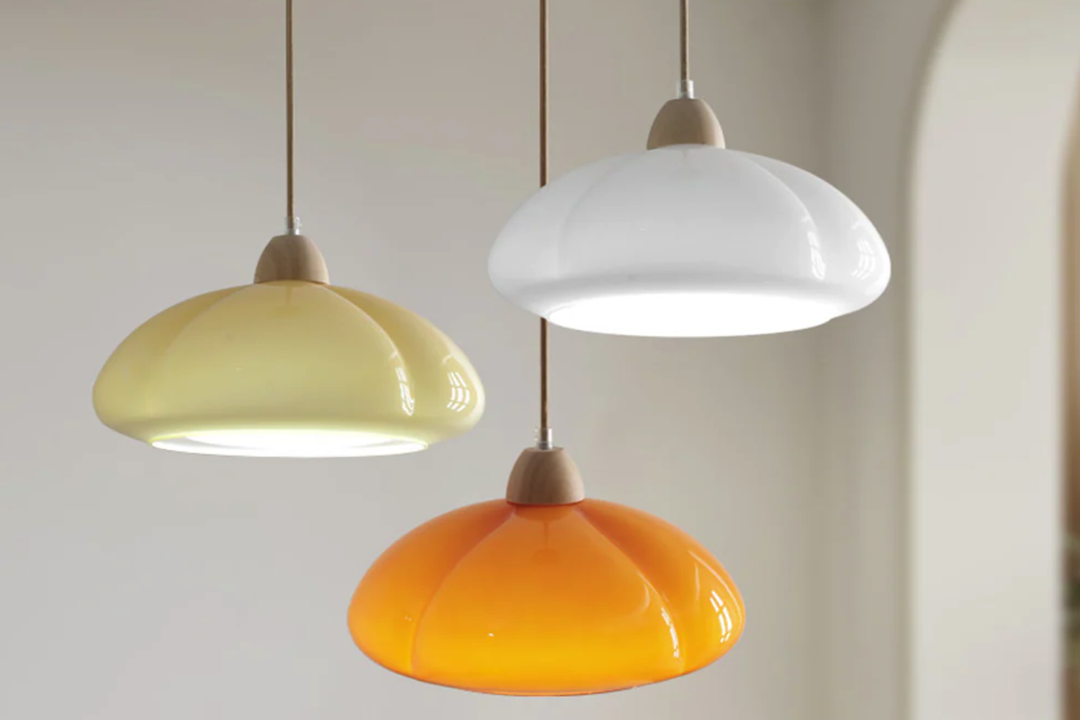
Cozy Small Dining Nook with Pumpkin Pendant Lamp
A dining nook, at its core, is a designated eating area, typically smaller and more intimate than a formal dining room. Its genesis lies in the desire to maximize space efficiency within residential architecture, particularly in homes with open-plan layouts or limited square footage. Historically, the evolution of the dining nook can be traced alongside changing societal norms regarding mealtime and domestic living. In earlier centuries, formalized dining rooms were prevalent, reflecting a strict division of household functions. However, with the advent of more casual lifestyles and smaller dwellings, the dining nook emerged as a practical and often aesthetically pleasing alternative. It serves as a pragmatic solution for daily meals, breakfast, or as an additional informal dining option.
The key characteristic that differentiates a dining nook from a standard dining area is its often built-in nature and its integration into a larger room, such as a kitchen or living space. This integration frequently involves architectural elements like banquettes, built-in seating, or custom tables designed to fit a specific alcove or corner. The primary function of a dining nook is to provide a comfortable and functional space for eating, often encouraging a sense of intimacy due to its compact nature. Furthermore, nooks can serve ancillary functions, such as additional workspace, a reading corner, or a casual gathering spot, demonstrating their versatility in contemporary home design.
Design Principles of a Cozy Small Dining Nook
Designing a “cozy small dining nook” involves a careful consideration of spatial limitations, ergonomic principles, and aesthetic cohesion. The goal is to create an environment that feels both inviting and functional, a miniature world within a larger home. This section will delineate the foundational elements that contribute to such a design.
Spatial Optimization Techniques
In a small space, every square inch becomes a valuable commodity. Spatial optimization in a dining nook often hinges on shrewd furniture selection and integration. Built-in banquettes are a cornerstone of this principle, as they eliminate the need for chairs that must be pulled out, thus saving significant floor space. These banquettes can also incorporate hidden storage beneath the seating, transforming otherwise dead space into valuable organizational real estate. Furthermore, custom-designed tables, often round or oval to facilitate easier navigation around edges, are frequently employed. Their dimensions are precisely calibrated to fit the nook’s confines, ensuring adequate legroom and surface area without overcrowding. The placement of the nook itself is also critical; corners, under windows, or within alcoves are prime candidates, leveraging existing architectural features to define the space without demanding new construction.
Material Selection for Comfort and Durability
The choice of materials significantly impacts both the comfort and the longevity of a dining nook. For seating, upholstery fabrics that are both durable and tactile are preferred. Options like performance velvet, chenille, or tight-weave cotton blends offer a soft touch while resisting wear and tear. Color palettes often lean towards warm, muted tones, such as cream, soft gray, or gentle greens, which contribute to a sense of serenity and expansion in a confined area. Table surfaces benefit from materials that are resilient to spills and scratches, given their primary function. Solid wood, particularly hardwoods like oak or maple, offers both durability and a natural aesthetic. Laminates or engineered quartz provide a low-maintenance alternative with a wide range of visual textures. Flooring choices within the nook should ideally align with the broader room to maintain visual continuity, but a distinct area rug can delineate the space and add a layer of warmth and sound absorption.
Lighting as a Functional and Mood-Setting Element
Lighting in a dining nook is not merely about illumination; it is a critical component of defining the atmosphere. Given the specific context of a “cozy small dining nook with a pumpkin pendant lamp Shewarek,” the pendant fixture assumes a central role. Its size and design must be proportionate to the table and the overall nook. An oversized fixture can overwhelm a small space, while an undersized one will appear insignificant. The “pumpkin” motif, whether through shape or color, introduces a sculptural element and a focal point. Beyond aesthetics, the functionality of the light is paramount. It should provide sufficient downward illumination for eating and other activities without casting harsh shadows. Consider a dimmer switch to allow for adjustable brightness, enabling the light to transition from task-oriented to ambient, reflecting the diverse uses of the nook throughout the day. Supplementary lighting, such as sconces on an adjacent wall or under-cabinet lighting if the nook is near kitchen cabinetry, can layer the illumination, adding depth and dispelling corners of darkness.
The Role of the Pumpkin Pendant Lamp
The “pumpkin pendant lamp” serves as more than just a light source; it is an immediate and tangible contributor to the overall theme and aesthetic of the dining nook. Its very designation implies a specific form, color, or perhaps even a textural quality that evokes associations with autumn, warmth, and a certain whimsical charm.
Aesthetic Impact and Thematic Cues
The “pumpkin” descriptor typically points to a spherical or ovoid shape, often with gentle ribbing, mimicking the natural form of the fruit. This organic silhouette introduces a softness to the space, contrasting with potentially angular furniture or architectural lines. Colors associated with pumpkins—ranging from deep burnt orange to muted terracotta or even a creamy off-white—inject warmth and a grounded, earthy sensibility. These hues are inherently inviting and can psychologically contribute to a feeling of coziness. The thematic cues extend beyond merely color and shape; they evoke a sense of harvest, abundance, and comfort, particularly if paired with complementary décor like natural wood, woven textures, or botanical accents. The lamp acts as a beacon of this thematic intention, immediately communicating a particular mood to anyone entering the space. It can be interpreted as a subtle nod to seasonal change, or as a more permanent fixture providing a consistent sense of familiar comfort throughout the year.
Illumination Characteristics and Ambiance
Beyond its visual appeal, the pumpkin pendant lamp must perform its primary function: illumination. The material of the lamp shade greatly influences the quality of light emitted. If the shade is translucent, made perhaps of frosted glass, rice paper, or a lightly woven fabric, it will diffuse the light, producing a soft, ambient glow that minimizes harsh shadows. This diffusion is crucial for creating a cozy atmosphere, as it softens edges and reduces visual glare. Conversely, if the shade is opaque, directing light predominantly downwards, it will create a more focused pool of light on the table surface. This directional light is excellent for tasks like reading or eating, providing practical illumination where it is most needed. The choice between diffuse and directional light, or a combination thereof, depends on the desired balance between general ambiance and task-specific functionality. For a cozy nook, a warmer color temperature (lower Kelvin rating) for the bulb, typically in the range of 2700K to 3000K, will reinforce the feeling of warmth and intimacy, complementing the inherent coziness suggested by the pumpkin motif.
Integration with Overall Decor
The successful integration of the pumpkin pendant lamp into the broader dining nook involves considering its relationship with other design elements. It must not exist in isolation but rather as a key player in a carefully orchestrated ensemble. For example, if the pumpkin lamp features a warm orange hue, complementary colors in fabrics, artwork, or ceramics can reinforce this palette. Materials used in the lamp, such as natural fibers or glass, can be echoed in other textures within the nook, like a woven placemat or a ceramic vase. The scale of the lamp is also vital; it should be proportionate to the table it illuminates and the overall dimensions of the nook. A common error is to select a fixture that is either too large, overwhelming the space, or too small, appearing lost. The lamp should feel like an organic extension of the design, a harmonious element that contributes to, rather than detracts from, the overall aesthetic coherence. It becomes a central artwork that also happens to emit light, a functional sculpture that binds the various components of the cozy small dining nook together.
Furniture Selection for Maximizing Coziness and Functionality
The furniture within a small dining nook is not merely functional; it is instrumental in defining the sense of coziness and optimizing the limited space. Each piece must be thoughtfully chosen to contribute to both comfort and practical utility.
Built-in Seating and Banquettes
Built-in seating, specifically banquettes, represents the cornerstone of efficient and cozy dining nook design. Unlike freestanding chairs, banquettes are custom-fitted to the dimensions of the specific space, often utilizing an existing wall or corner. This integration eliminates the need for chairs to be pulled out, thereby saving significant floor space, a critical consideration in small areas. Beyond spatial efficiency, banquettes offer a unique form of comfort. Their continuous upholstered surface encourages a relaxed posture, inviting occupants to lean back and settle in. The often higher backrest provides better support than many freestanding chairs, and the absence of gaps between individual seats fosters a sense of intimacy and togetherness. From a design perspective, banquettes can be seamlessly integrated into the room’s architecture, appearing as a natural extension of the wall rather than a separate piece of furniture. Many banquettes also incorporate hidden storage compartments beneath the seat, offering a practical solution for stowing away linens, serving dishes, or even children’s toys, thus contributing to the overall tidiness and functionality of the nook. This dual function of seating and storage is a testament to their utility in compact environments.
Table Shape and Size Considerations
The choice of table for a small dining nook is paramount, acting as the central nexus around which all activities revolve. Given the constraints of a “small” nook, the shape and size of the table directly impact both navigability and seating capacity. Round tables are frequently favored in tight spaces because their lack of sharp corners facilitates easier movement around them. The absence of corners also means that more people can be comfortably seated around a round table without feeling boxed in, making it an efficient choice for accommodating varying numbers of diners. Oval tables offer a similar advantage while providing a slightly larger surface area for serving. Rectangular or square tables can work well if the nook is a precise alcove or if one side of the table can be pushed flush against a wall or a banquette, thus maximizing the remaining floor space. Crucially, the table’s diameter or dimensions must be carefully calibrated to allow adequate legroom for those seated and sufficient clearance between the table’s edge and any surrounding walls or furniture. A common guideline suggests allowing at least 12-18 inches (approximately 30-45 cm) between the edge of the table and the seating for comfortable egress. The height of the table must also be compatible with the seating, typically standard dining height (around 29-30 inches or 74-76 cm) for a comfortable ergonomic experience.
Auxiliary Seating and stools
While built-in banquettes provide the primary seating, the inclusion of auxiliary seating, such as stools or a few carefully selected chairs, can enhance the flexibility and capacity of the dining nook. Stools are particularly advantageous in small spaces due to their compact footprint and their ability to be tucked away neatly under the table when not in use. This provides “on-demand” seating for additional guests without permanently occupying precious floor space. When choosing stools, consider backless designs for maximum tuck-away potential or low-backed stools for a touch more comfort that can still largely disappear under the tabletop. If space permits and the design allows, one or two smaller, lightweight dining chairs can also be introduced. These chairs should ideally be armless to prevent snagging on the table or banquette and should be aesthetically complementary to the overall design of the nook. The aim of auxiliary seating is to offer versatile options without creating clutter, ensuring that the nook remains functional for both daily use and occasional gatherings. The key is to maintain a sense of openness and avoid the feeling of overstuffing the space, allowing the coziness to emanate from thoughtful design rather than an excess of furniture.
Accessorizing for Enhanced Warmth and Personality
Accessorizing a small dining nook is the final layer of design, transforming a functional space into a personalized sanctuary. This stage involves strategic placement of items that contribute to visual warmth, texture, and individual expression. The absence of clutter is paramount in a small space; thus, each accessory must be deliberately chosen.
Textiles and Soft Furnishings
Textiles are instrumental in softening hard surfaces and introducing a sense of luxurious comfort. Cushions on banquettes are essential, not only for ergonomic support but also for adding color, pattern, and texture. Opt for cushions with high-resilience foam inserts for durability and shape retention. The fabric choices can vary from plush velvet for a tactile experience to crisp linen for a more relaxed feel, or durable performance fabrics for practicality. A throw blanket, draped casually over a corner of the banquette, invites relaxation and adds an immediate sense of warmth, particularly in cooler months. Table linens, such as a placemat or a small runner, define individual place settings and introduce another layer of texture, protecting the table surface while adding visual interest. Consider patterns or subtle textures that complement the overall color scheme without overwhelming the small space. Hand-woven textiles or those with a natural fiber composition further enhance the “cozy” aesthetic, tapping into primal desires for comfort and authenticity.
Greenery and Natural Elements
Introducing greenery and natural elements is a simple yet effective way to inject life and vitality into a dining nook. A small potted plant, such as a succulent, a miniature herb garden, or a trailing ivy, can sit on the table or a nearby shelf, bringing a touch of the outdoors in. Beyond their aesthetic appeal, plants contribute a sense of freshness and calm. Fresh flowers, even a single bloom in a minimalist vase, offer an ephemeral beauty and can instantly elevate the mood of the space. Consider arrangements that are proportionate to the table size, avoiding anything too tall that might obstruct views across the table. Beyond living plants, natural elements like a wooden bowl filled with seasonal fruit, a small collection of smooth river stones, or a found piece of driftwood can serve as understated decorative accents. These elements connect the nook to the natural world, fostering a sense of grounded tranquility and organic simplicity.
Art and Decorative Objects
The selection of art and decorative objects allows for the personal expression that truly defines a “cozy small dining nook.” In a confined space, restraint is key. A single, well-chosen piece of artwork can serve as a focal point without overwhelming the walls. This could be a framed print with a calming landscape, an abstract piece with a warm color palette, or a series of smaller, complementary pieces arranged thoughtfully. Consider the height at which art is hung; it should be at eye level when seated, creating an intimate viewing experience. Beyond wall art, a few curated decorative objects on a slender shelf or a corner of the banquette can add character. These could be handcrafted pottery, a cherished keepsake, or a small collection of books. The key is to select items that have personal significance or intrinsic beauty, avoiding purely ornamental clutter. These objects should tell a story, sparking conversation and adding layers of meaning to the space. The intentional inclusion of these elements ensures that the nook feels lived-in and loved, rather than merely decorated.