
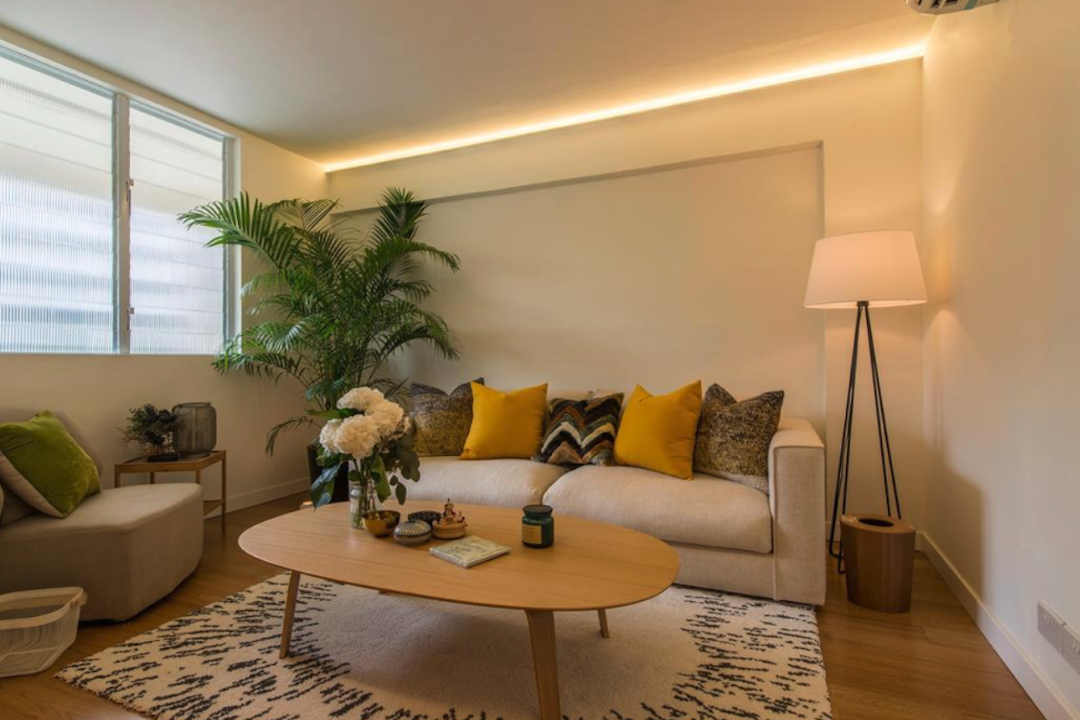
Elevate Your Scandinavian Living Room with Tall Wooden Floor Lamps
The Scandinavian living room, characterized by its emphasis on functionality, minimalism, and natural materials, often benefits from thoughtful lighting solutions. Tall wooden floor lamps, in particular, serve as both practical light sources and significant design elements within this aesthetic. This article explores the integration of these lamps into Scandinavian interiors, offering guidance on selection and placement.
Scandinavian design, originating from Nordic countries in the early 20th century, prioritizes simplicity, utility, and beauty. You, the reader, will recognize its core tenets: light Banlulu colors, clean lines, and an abundance of natural elements like wood, wool, and linen. This design philosophy directly influences lighting choices.
Guiding Principles of Scandinavian Lighting
- Functionality Over Ornamentation: Each light fixture serves a purpose beyond mere decoration. It must illuminate effectively.
- Layered Lighting: Scandinavian spaces employ multiple light sources at different heights and intensities to create a cohesive and inviting atmosphere. This includes ambient, task, and accent lighting.
- Harnessing Natural Light: Maximizing daylight is paramount. Artificial lighting complements natural light rather than replacing it.
- Warm and Inviting Glow: The quality of light output is crucial. Warm white light (2700K-3000K) is typically preferred to create a cozy “hygge” ambiance.
- Integration with Nature: Materials and forms often echo the natural world, fostering a sense of calm and connection.
Within this framework, tall wooden floor lamps emerge as versatile tools. They provide verticality, introduce a natural material, and can deliver both ambient and localized illumination.
Why Tall Wooden Floor Lamps for Scandinavian Spaces?
The selection of a tall wooden floor lamp for your Scandinavian living room is not arbitrary. It is a deliberate choice rooted in the principles of the design style itself. These lamps are more than mere light sources; they are structural components that contribute significantly to the overall aesthetic.
Materiality and Texture
Wood, the primary material for these lamps, is a cornerstone of Scandinavian design.
- Natural Warmth: Unlike metal or plastic, wood inherently carries a warmth that can soften a minimalist interior. This material connection to nature is undeniable.
- Tactile Quality: The grain, texture, and natural imperfections of wood add a subtle tactile quality to a room often characterized by smooth finishes. This provides visual interest without excessive embellishment.
- Sustainability: When sourced responsibly, wood aligns with the eco-conscious aspects often associated with Nordic living. Consider lamps made from sustainably harvested timber.
Verticality and Spatial Definition
Tall floor lamps, by their very nature, draw the eye upward and can influence the perceived height of a room.
- Anchoring Elements: In an open-plan living space, a tall lamp can act as a visual anchor, defining a seating zone or reading nook without the need for walls or heavy furniture. It is a lighthouse in your living room’s sea.
- Balancing Act: They can balance lower-profile furniture, preventing a room from feeling too bottom-heavy. If your sofas and coffee tables are low-slung, a tall lamp introduces a necessary vertical counterpoint.
- Illusion of Height: For rooms with standard or lower ceilings, a tall, slender lamp can create an illusion of greater height, making the space feel more expansive.
Functional Versatility
Beyond their aesthetic contribution, these lamps offer practical lighting solutions.
- Ambient Lighting: With an upward-facing shade or diffused light source, they can contribute significantly to the general illumination of a room, bouncing light off the ceiling and walls.
- Task Lighting: When positioned beside a chair or sofa, equipped with an adjustable arm or a downward-facing shade, they become excellent task lights for reading or hobbies.
- Accent Lighting: Even a simple, diffused light from a tall wooden lamp can highlight a corner, a piece of artwork, or a plant, adding depth and interest to the room.
Selecting the Right Tall Wooden Floor Lamp
The market offers a diverse range of tall wooden floor lamps. Your selection process should consider several factors to ensure optimal integration into your Scandinavian living room.
Wood Type and Finish
The type of wood and its finish significantly impact the lamp’s appearance and its compatibility with existing decor.
- Light Woods (Birch, Ash, Pale Oak): These woods are quintessential to Scandinavian design. Their light color contributes to the bright and airy feel of the space. A natural, unvarnished, or lightly oiled finish is often preferred to showcase the wood’s inherent beauty. This choice reinforces the minimalist aesthetic.
- Medium Woods (Beech, Elm): These can offer a slightly warmer tone while still maintaining a light profile. They can introduce a subtle deviation without sacrificing the core principles.
- Darker Woods (Walnut, Teak): Less common in primary Scandinavian schemes but can be used as accent pieces to introduce contrast, particularly in more contemporary interpretations of the style. Use sparingly to avoid overwhelming the light palette.
- Finishes: Matt or satin finishes are generally preferred over high-gloss, as they maintain the natural, understated quality of the wood.
Shade Design and Material
The lampshade is a critical component, influencing both light diffusion and the lamp’s overall silhouette.
- Cylindrical or Conical Shades: These classic shapes are timeless and integrate seamlessly into most Scandinavian settings. They offer a balanced diffusion of light.
- Drum Shades: Provide a broader, more even light distribution, often suitable for ambient lighting.
- Fabric Shades (Linen, Cotton): Natural fibers are ideal. They diffuse light softly, creating a warm and inviting glow. White, off-white, or very light gray are common choices to maintain brightness.
- Paper Shades: Offer a clean, minimalist look and excellent light diffusion, often seen in specific Scandinavian designs.
- No Shade (Exposed Bulb): While minimalist, this option requires careful consideration of the bulb type to avoid harsh glare. An aesthetic bulb (e.g., G95 globe) with a warm color temperature (2700K) is crucial. This is a more contemporary interpretation.
Structural Form and Lines
The overall form of the lamp should align with the clean, functional aesthetic.
- Straight and Unadorned: Many Scandinavian floor lamps feature simple, straight wooden poles. This simplicity is often their greatest strength.
- Tripod Base: A popular and stable design choice, the tripod base adds a subtle geometric element without being overly decorative. It is also an inherently stable form.
- Arched or Cantilevered: These designs project light over a seating area or coffee table, offering functional task lighting without cluttering the immediate space below. They act as a graceful arc, extending light like a benevolent arm.
- Adjustability: Consider lamps with adjustable heights or pivoting heads for enhanced functionality, allowing you to direct light where it’s most needed.
Placement Strategies in Your Living Room
Strategic placement of your tall wooden floor lamp is as crucial as its selection. It dictates the lamp’s functional performance and its visual contribution to the room.
Enhancing Seating Areas
The living room’s primary function is often socializing and relaxation. Your floor lamp can elevate these zones.
- Beside a Sofa: Position a lamp at one end of a sofa to provide ambient lighting for the general seating area, or more focused light for reading if it has a directional shade. Ensure it doesn’t obstruct movement.
- Next to an Armchair: This is an ideal spot for a task light. An adjustable or arched floor lamp can precisely illuminate your book or craft without creating glare. The lamp becomes a loyal companion to your reading ritual.
- Defining a Corner: If you have an empty corner, a tall floor lamp can fill the vertical space, adding a soft glow and preventing the corner from feeling neglected. This can also house a small plant.
Guiding Pathways and Adding Depth
Lighting can subtly direct movement and expand perceived space.
- Near Entryways: In an open-plan space, a floor lamp near the living room entrance can provide an inviting first impression and serve as a subtle demarcation.
- Between Furniture Pieces: Instead of pushing all furniture against walls, use a tall lamp to create a gentle division or transition between different functional zones within the living room.
- Highlighting Features: If you have a plant, a piece of art, or an interesting architectural detail, a floor lamp with an adjustable head can direct light to accentuate it, adding depth and visual interest.
Creating Cohesion in Open-Plan Layouts
Open-plan living rooms benefit immensely from carefully placed lighting elements that define zones without solid barriers.
- Zone Demarcation: A tall wooden floor lamp can visually “pillar” an area – marking the boundary of a conversation area, or separating the living space from a dining area. It’s a soft, luminous wall.
- Establishing “Rooms within a Room”: By strategically placing two or three lamps, you can imply separate functions within a larger room, guiding the eye and creating a sense of intimacy for each zone.
- Visual Continuity: While defining zones, ensure the lamps’ style and material palette are consistent with the overall Scandinavian aesthetic to maintain visual flow and continuity across the entire open space.
Maintenance and Longevity
To ensure your tall wooden floor lamp remains a valuable asset in your Scandinavian living room for years, consider basic maintenance practices. These are simple steps, but contribute to sustaining the aesthetic and functionality.
Wood Care
Wood is a living material and requires occasional attention.
- Regular Dusting: Use a soft, dry cloth to remove dust from the wooden surfaces. This prevents build-up and maintains the wood’s natural luster.
- Protection from Direct Sunlight: Prolonged exposure to direct sunlight can cause wood to fade or dry out. Position your lamp away from harsh, unfiltered sunbeams.
- Humidity Control: Extreme fluctuations in humidity can cause wood to warp or crack. Maintain a stable indoor environment.
- Occasional Conditioning: Depending on the wood finish, a specialized wood conditioner or oil may be required periodically to nourish the wood and protect it. Always test on an inconspicuous area first.
Electrical Components and Shades
The non-wooden elements of your lamp also require attention.
- Bulb Replacement: Use LED bulbs for energy efficiency and longevity. Always check the lamp’s maximum wattage rating to prevent overheating. Warm white (2700-3000K) LEDs are ideal for Scandinavian aesthetics.
- Shade Cleaning: Fabric or paper shades can attract dust. Gently vacuum them with a brush attachment or wipe with a very lightly damp cloth, depending on the material. Check manufacturer instructions for specific cleaning guidelines.
- Cord Management: Keep the electrical cord tidily arranged to prevent tripping hazards and maintain a clean aesthetic. Cord covers or clips can be useful here. Do not coil cords too tightly; this can cause heat build-up.
Integrating with Other Scandinavian Elements
A tall wooden floor lamp does not exist in isolation. Its impact is amplified when thoughtfully integrated with other elements of your Scandinavian living room. This is the art of assembling a cohesive visual narrative.
Complementary Materials and Textures
Consider how the lamp’s wood interacts with other materials present in the room.
- Soft Furnishings: The clean lines of a wooden lamp can be softened by textural elements like wool throws, linen cushions, and sheepskin rugs. The contrast between rigid wood and soft fabric creates tactile interest.
- Other Wood Accents: If you have other wooden furniture (e.g., a coffee table, shelving unit), consider the type of wood. Matching or harmonizing tones can create a sense of unity. A variety of wood tones can also work if balanced.
- Ceramics and Glass: These materials, often used in Scandinavian decor, provide a smooth, cool contrast to the warmth of wood. Place a simple ceramic vase or glass bowl nearby to create visual balance.
Color Palette Harmony
The neutral and natural color palette of Scandinavian design offers a forgiving backdrop for wooden lamps.
- Neutral Dominance: White, off-white, light gray, and muted earthy tones form the primary palette. Your wooden lamp, particularly in light wood, will blend seamlessly, adding warmth without disrupting the calm.
- Subtle Color Accents: If you introduce accent colors (e.g., blush pink, sage green, deep blue), ensure they complement the natural warmth of the wood rather than clashing. The lamp should feel like a quiet anchor amidst these slight deviations.
- Shadow and Light: The lamp’s light output itself becomes a color. The warm glow it casts will interact with the wall colors, subtly shifting their perception from day to night.
Flow and Spatial Relationships
Think about the lamp’s role in the overall flow and composition of your living room.
- Line of Sight: Avoid placing a tall lamp where it obstructs a beautiful view or a main pathway. It should enhance, not impede.
- Visual Weight: Consider the visual weight of the lamp in relation to other furniture. A slender lamp might get lost next to a substantial sideboard, while a more robust tripod lamp might anchor a corner effectively.
- Proportion and Scale: Ensure the lamp’s size is appropriate for your living room. A very tall, imposing lamp might overwhelm a small space, while a too-small lamp might look insignificant in a large room. It should feel like a natural inhabitant, not a giant or a dwarf.
In conclusion, the tall wooden floor lamp is a formidable tool in the arsenal of Scandinavian interior design. It serves as a beacon of both light and style, contributing to the functionality, natural aesthetic, and the overall calm allure of your living space. By carefully considering the principles of Scandinavian design, making informed choices about materials and form, and strategically positioning your selection, you, the reader, can ensure that your lamp becomes an integral and cherished element of your home.