
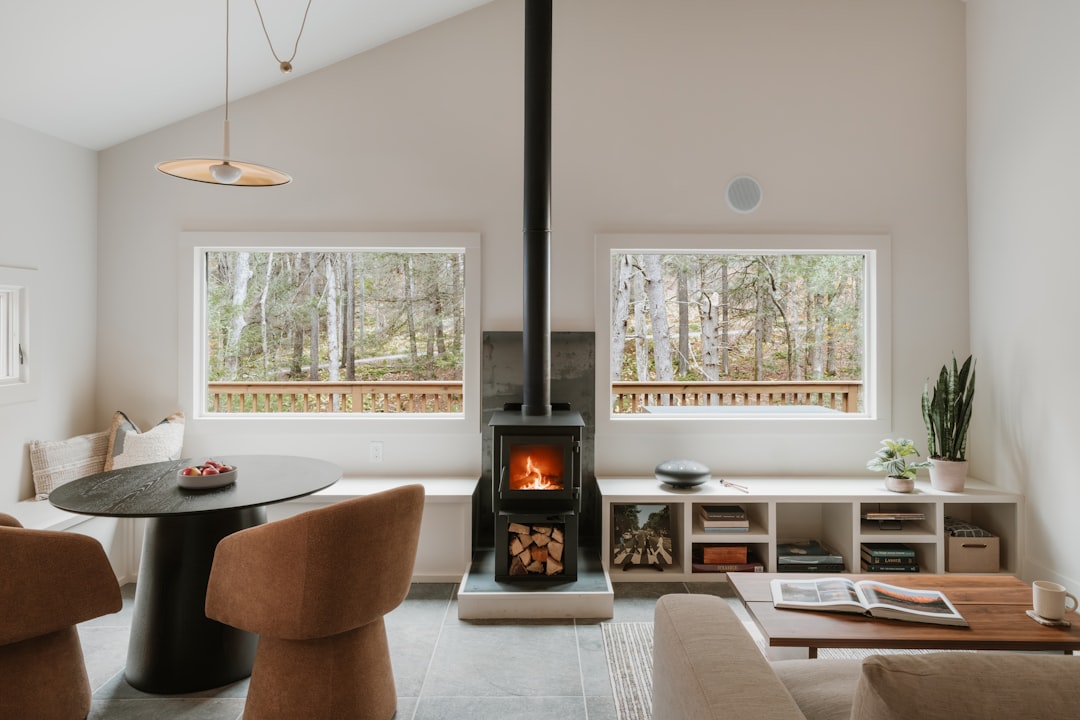
Cozy Dining Nook Illuminated by Pumpkin Pendant Lamp
Introduction to the Cozy Dining Nook with Pumpkin Pendant Lamp
The “Cozy Dining Nook Illuminated by Pumpkin Pendant Lamp” is a conceptual interior design archetype. It represents a domestic space engineered for intimacy and comfort, with a specific, notable lighting fixture serving as a central element. This article will deconstruct the components of such a space, examine its functional and aesthetic considerations, and discuss its place within broader interior design trends. Consider this a blueprint, a set of instructions for understanding and, perhaps, even creating such an environment.
I. Defining the “Cozy Dining Nook”
A dining nook, by definition, is a compact dining area, often integrated into a larger room or occupying a recessed space, distinct from a formal dining room. The descriptor “cozy” implies a design intent focused on warmth, comfort, and intimacy. This is not a space for grand banquets, but rather for quiet meals, reflection, or close conversation.
A. Spatial Characteristics
The spatial characteristics of a cozy dining nook are dictated by its inherent purpose. It is typically smaller than a conventional dining room, often accommodating two to four individuals comfortably. This limited footprint encourages proximity, a key facet of its “cozy” designation.
- Alcove Integration: Often, a dining nook is situated within an alcove or a bay window, utilizing existing architectural features to define its boundaries. This natural enclosure acts as a physical embrace, contributing to the sense of intimacy.
- Open-Plan Integration: In an open-plan living environment, a dining nook might be delineated by strategic furniture placement, a change in flooring, or a partial wall, creating a room-within-a-room effect without complete separation.
- Proximity to Kitchen: Functionally, a dining nook is frequently positioned in close proximity to the kitchen, facilitating ease of serving and clearing. This practical consideration often influences its layout and design choices.
B. Furniture Selection for Coziness
The furniture within a cozy dining nook is selected not only for functionality but also for its contribution to the overall atmosphere. Emphasis is placed on comfort and visual softness.
- Built-in Seating: Bench seating, particularly L-shaped or U-shaped configurations, is a common feature. Such built-ins maximize space efficiency and offer a continuous, soft surface, encouraging prolonged sitting.
- Upholstered Elements: Cushions, throw pillows, and upholstered backrests are integral. The tactile experience of soft fabrics — linen, velvet, or performance fabrics – directly correlates with the perception of coziness. These elements act as sponges for sound, further enhancing the sense of enclosure.
- Table Size and Shape: The dining table itself typically errs on the smaller side. Round or oval tables are frequently preferred over rectangular ones, as their lack of sharp corners fosters a more communal and less hierarchical dining experience, reflecting the intimacy cultivated in the nook.
C. Material Palette and Textural Richness
The chosen materials and their textures are foundational to establishing a cozy atmosphere. They are the threads that weave the fabric of the space.
- Natural Materials: Wood, particularly those with warm tones like oak or walnut, is a prevalent choice for tables, flooring, or built-ins. Its natural grain and inherent warmth contribute significantly to the desired aesthetic.
- Soft Fabrics: Beyond upholstery, textiles such as curtains, area rugs, and even decorative throws play a crucial role. These materials introduce visual and tactile softness, helping to absorb sound and create a hushed environment.
- Layering: The strategic layering of different textures – a smooth table surface juxtaposed with woven placemats, or a rough-hewn wooden bench softened by plush cushions – creates depth and visual interest, preventing the space from feeling sterile.
II. The Pumpkin Pendant Lamp: Form and Function
The “Pumpkin Pendant Lamp” is the designated focal point of this conceptual dining nook. Its specific design—reminiscent of a gourd—is a deliberate choice, intended to imbue the space with particular qualities.
A. Design Aesthetic of the Pumpkin Pendant Lamp
The aesthetic of the pumpkin pendant lamp is central to its role in the nook. Its form is derived from nature, offering a departure from more conventional geometric lighting fixtures.
- Organic Form: The lamp’s shape, echoing a pumpkin, introduces an organic, curvilinear element into the space. This natural form can soften the angularity often present in architectural details and furniture.
- Material Exploration: While often depicted in glass (clear, frosted, or tinted) or ceramic, a pumpkin pendant lamp can also be realized in materials like woven rattan or metal, each imparting a distinct character to the light and the object itself. The material choice influences the diffusion and color temperature of the light emitted.
- Cultural Connotations: The pumpkin, particularly in Western cultures, carries connotations of harvest, autumn, warmth, and hospitality. This subtle cultural symbolism, whether consciously recognized or not, influences the perception of the space. It is a visual cue that signals comfort and abundance.
B. Illumination Characteristics
Beyond its form, the pumpkin pendant lamp’s primary function is to provide light. The quality and direction of this illumination are critical to the “cozy” designation.
- Downward Illumination: Typically, a pendant lamp’s light is directed downwards, casting a circle of light upon the dining surface. This focused illumination emphasizes the table as the center of activity, creating a spotlight effect that draws attention to the food and the individuals gathered around it.
- Warm Color Temperature: The choice of light bulb within the pumpkin pendant lamp significantly impacts the ambiance. A warm color temperature (e.g., 2700K-3000K) is essential for fostering coziness. This type of light mimics the glow of a sunset or a candlelight flame, creating a visually comforting environment.
- Dimmability: The ability to dim the lamp is a practical necessity for a cozy dining nook. It allows occupants to adjust the light intensity according to the time of day, the activity, or their mood, transitioning from brighter task lighting to softer, ambient illumination. This control is akin to adjusting a thermostat for visual comfort.
III. The Synergy of Elements: Creating Cohesion
The “Cozy Dining Nook Illuminated by Pumpkin Pendant Lamp” is not merely a collection of disparate elements but a carefully orchestrated ensemble. The success of the design hinges on the synergistic relationship between the nook’s structural attributes, its furnishings, and the specific lighting fixture.
A. Visual Harmony and Balance
Visual harmony is attained when all components feel as if they belong together, contributing to a unified aesthetic. This is not necessarily about strict matching, but about a cohesive interplay.
- Color Palette Consistency: A consistent, albeit varied, color palette is crucial. Warm neutrals, muted greens, earthy browns, and soft yellows often complement the “pumpkin” motif and contribute to a cozy feel. The lamp itself might introduce a subtle pop of color or serve as a neutral element, depending on its material.
- Scale and Proportion: The size of the pumpkin pendant lamp must be proportional to the dining table and the overall volume of the nook. An overly large lamp can overwhelm the small space, while an undersized one will appear insignificant. This involves a careful assessment, akin to fitting a missing puzzle piece.
- Repetition of Forms: The organic, rounded shape of the pumpkin lamp might be subtly echoed in other design elements—rounded chair backs, a circular rug, or a curvilinear table edge. This repetition creates a visual rhythm throughout the space.
B. Functional Integration
Beyond aesthetics, the integration of elements must also serve a functional purpose. A well-designed cozy nook is both beautiful and practical.
- Task Lighting Efficiency: The pendant lamp, positioned directly above the table, provides effective task lighting for dining. It illuminates plates, cutlery, and faces, making mealtime activities comfortable and visually pleasing.
- Ambient Light Contribution: While primarily task-oriented, the pumpkin pendant lamp also contributes to the ambient lighting of the nook. When dimmed, its warm glow can soften the edges of the space, preventing it from feeling like an isolated spotlight.
- Material Durability and Maintenance: In a dining area, considerations of durability and ease of cleaning are paramount. Materials chosen for the table, seating, and even the lamp itself should withstand daily use and be easily maintained, ensuring the longevity of the “cozy” experience.
IV. Psychological and Emotional Impact
The design of a space is never purely about aesthetics; it profoundly influences the mood and behavior of its occupants. The “Cozy Dining Nook Illuminated by Pumpkin Pendant Lamp” is specifically engineered to evoke certain psychological and emotional responses.
A. Fostering Intimacy and Connection
The very design principles employed in the creation of this nook are aimed at encouraging closer communication and a sense of shared experience.
- Reduced Scale and Enclosure: The compact size and often enclosed nature of the nook naturally bring people closer together. This physical proximity can lead to more intimate conversations and a deeper sense of connection between diners. It acts as a miniature stage for personal narratives.
- Warm Lighting as a Catalyst: The soft, warm light emitted by the pumpkin pendant lamp creates a conducive atmosphere for relaxation and open communication. Harsh, bright lighting can be jarring; conversely, a gentle glow puts individuals at ease, encouraging vulnerability and shared moments.
- Sensory Experiences: The combination of soft textures, warm lighting, and a confined space creates a sensory cocoon. This can help to filter out external distractions, allowing occupants to focus on their companions and the immediate experience.
B. Promoting Comfort and Relaxation
Comfort is not merely physical; it is also psychological. The design of this nook aims to provide both.
- Visual Comfort: The organic shape of the lamp, the consistent color palette, and the soft textures all contribute to visual comfort, reducing visual clutter and promoting a sense of calm.
- Hygge and Lagom Principles: The concept aligns well with Nordic design philosophies that emphasize comfort, contentment, and a balanced lifestyle. The nook embodies “hygge” (a Danish concept of coziness and comfortable conviviality) directly and “lagom” (a Swedish principle of “just enough,” not too much, not too little) through its carefully curated simplicity.
- A Sanctuary within the Home: In a busy world, a cozy dining nook can serve as a sanctuary – a place where one can retreat from the demands of the day, enjoy a meal in peace, and find a moment of respite. It is an anchor point of calm.
V. Maintenance and Evolution of the Nook
Like any curated space, a cozy dining nook, especially one with a specific focal point like the pumpkin pendant lamp, requires ongoing attention to maintain its intended aesthetic and functionality. It is not static, but a living part of the home.
A. Lighting Maintenance
The illumination provided by the pumpkin pendant lamp is critical to the nook’s character. Therefore, its maintenance is paramount.
- Bulb Replacement: Regular inspection and replacement of the light bulb are necessary to ensure consistent light quality and brightness. Fluctuations in bulb performance can disrupt the carefully calibrated ambiance.
- Cleaning: The lamp fixture itself, whether glass, ceramic, or another material, should be cleaned periodically to remove dust and debris that can obscure light output or dull its appearance. A clean fixture is a clear conduit for expression.
- Electrical Inspection: For built-in or complex lighting installations, occasional inspection by a qualified electrician can ensure safety and proper functioning, preventing potential disruptions to the cozy environment.
B. Furniture and Fabric Care
The soft elements that define the “cozy” aspect of the nook require specific care.
- Upholstery Cleaning: Cushions and upholstered seating should be cleaned according to manufacturer guidelines to maintain their appearance and hygiene. Stains and wear can quickly detract from the intended comfort.
- Wood Furniture Polishing: Wooden tables and benches may require periodic polishing or conditioning to protect their finish and maintain their warmth. These elements are the bones of the space.
- Textile Refreshment: Curtains, rugs, and decorative throws may benefit from regular cleaning or seasonal rotation to keep the space fresh and inviting. These are the soft skin of the nook.
C. Adapting to Changing Needs
A functional home environment adapts over time. While the core concept of cozy remains, minor adjustments or additions might be necessary.
- Seasonal Decor: The “pumpkin” motif lends itself naturally to seasonal decoration, particularly around autumn. However, the space can be adapted for other seasons through changes in tablecloths, floral arrangements, or small decorative accents.
- Technological Integration: While aiming for timelessness, subtle integration of modern conveniences (e.g., hidden charging ports, smart lighting controls) can enhance functionality without compromising the cozy aesthetic. Technology can be a silent partner, not a dominant force.
- Personalization: Over time, occupants may wish to introduce personal touches, such as framed photographs, cherished keepsakes, or artworks, further imbuing the space with their identity while preserving its core design intent. This is where the blueprint truly becomes a home.
In conclusion, the “Cozy Dining Nook Illuminated by Pumpkin Pendant Lamp” is a deliberate design proposition. It is a carefully articulated space where architectural elements, furniture, materials, and lighting converge to create an environment optimized for intimacy, comfort, and sensory satisfaction. It stands as a testament to the idea that thoughtful interior design can profoundly influence a dwelling’s emotional landscape, offering a tangible space for quiet moments and meaningful connections within the domestic sphere.